Bloating from protein powder: why it happens and how to prevent it?
You finish a great, intense workout and happily drink your protein shake to fuel your muscles, but within 30 minutes you feel like a “balloon”. Pressure in the stomach, gas, and discomfort can be distracting. It can affect not only how you feel physically, but also your motivation to stick to a healthy nutrition plan.
However, it’s important to understand that bloating after using protein powder is not something you simply have to accept. Often the issue is not protein itself, but the specific type you choose, low quality, or added ingredients your body struggles to digest.
In this article, we’ll break down the main reasons why protein powder can cause bloating, and share practical tips so your functional nutrition delivers the results you want, without unnecessary discomfort.
Why does protein powder cause gas?
Belly discomfort, a feeling of pressure, and increased gas are common whey protein side effects, experienced by many active people, whether or not they have diagnosed lactose intolerance. To understand why protein powder can make you feel bloated, it helps to look at two key processes in the body.
Main cause: the source of the product
The first and most common cause is the product’s source. Most powders on the market are whey protein concentrates, which contain lactose (milk sugar). As we age, the body naturally produces less lactase, the enzyme needed to break down lactose. This can lead to lactose intolerance and the bloating and discomfort that come with it.
But plant based alternatives (such as pea or soy protein) can also cause discomfort. Legume proteins often contain specific carbohydrates and fibers that can be harder to digest for a sensitive gut, which can increase gas production.
Also important: how well you absorb protein
Still, lactose is not the only culprit. Another key factor is your body’s ability to absorb protein. If you take too much at once, or use a low quality product, some protein may not be fully absorbed in the small intestine.
It then reaches the large intestine, where gut bacteria ferment it. This fermentation can produce gas from protein, creating an uncomfortable feeling of pressure, even in people who do not have issues with dairy.
Why are cheaper protein powders riskier?
Often, the discomfort comes not from protein itself, but from the ingredient list and processing aids added for taste and texture. Price can be a useful indicator of raw material purity and overall production quality.
To reduce costs, budget products may use less purified ingredients, leaving a higher share of lactose and fat. To mask taste and texture issues, formulas are often “fixed” with cheap fillers and stabilizers. Pay special attention to three higher risk ingredient groups:
- Sugar alcohols (polyols): Watch “low carb” products where sugar is replaced with sorbitol, mannitol, or xylitol. These sweeteners in protein powders are not fully absorbed in the small intestine and can draw water into the gut (osmotic effect), which may cause bloating and loose stools.
- Thickeners and stabilizers: To create an artificial “creamy” texture, formulas often include guar gum or xanthan gum. These are fermentable fibers that can increase gas and pressure in people with a sensitive digestive tract.
- Sweetener quality: While sucralose is one of the most researched and widely used sweeteners, it’s still important to look at what it’s combined with. In Fiteg2 products, it’s used in a clean form and in moderate amounts for good taste without unnecessary irritation.
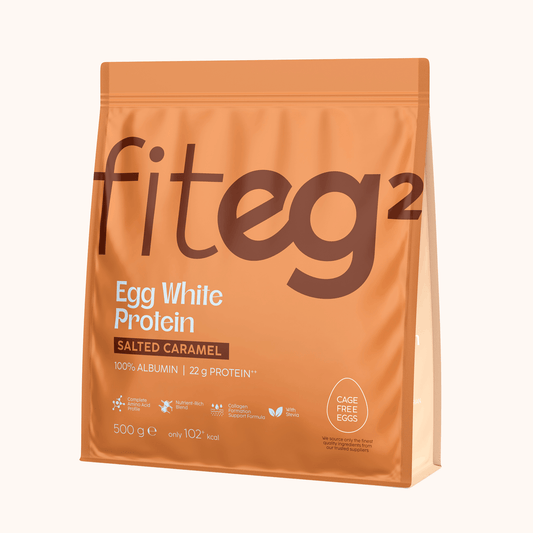
Fiteg2 solution: For maximum comfort, Fiteg2 does not add thickeners. The formula is also supported with the DigeZyme® enzyme complex (amylase, lactase, cellulase, protease). This helps the body break down nutrients earlier in digestion, reducing gas formation before it starts.
Most common protein mistakes that lead to bloating
Beyond ingredients, how you use your shake matters. How you drink protein can be just as important as what you buy. Bloating often comes from preparation and consumption habits. Watch out for these three common mistakes:
- Aerophagia (swallowing air): If you shake aggressively and drink immediately, you swallow many tiny air bubbles (foam). In the stomach, that air builds up and creates instant pressure. This is physics rather than digestion.
- Too large a dose at once: Your enzyme capacity is limited. If you try to take 40 to 50 grams of protein in one shake, some may not be digested and can reach the large intestine, where bacteria ferment it and produce gas.
- Not enough fluids: Protein metabolism needs water. If your shake is too thick, or you don’t drink enough during the day, digestion can slow down. Slower transit gives bacteria more time to ferment, increasing bloating.
How to choose a “gut friendly” protein
If whey concentrate regularly causes discomfort, the most effective fix is to change the protein source and choose a cleaner option. To protect your training results, look for a protein powder that provides a complete amino acid profile without putting stress on your digestion.
Experts often recommend egg white (albumen) protein because it offers several advantages for people with sensitive digestion.
- No lactose: Egg white is a naturally lactose free protein with no dairy fat. Since lactose intolerance is a common driver of bloating, this removes that trigger completely.
- Balanced absorption speed: Unlike whey, which can absorb very quickly, egg white protein is absorbed at a steady, moderate pace. This supports a stable flow of amino acids and reduces “traffic jams” in the gut, lowering the risk of gas.
- High biological value: Because albumen contains all essential amino acids in the right proportions, it is considered a highly digestible protein. Your body can use it efficiently for muscle recovery, leaving fewer undigested leftovers.
This combination (high bioavailability plus a gentler impact on digestion) is why egg white protein is often described as one of the best options for gut comfort. Fiteg2 is built around this philosophy: a clean label product with functional ingredients only, without unnecessary fillers that can irritate the digestive system.
Practical steps to reduce bloating from protein powder
To reduce or fully prevent digestive discomfort linked to protein supplements, review both how you prepare your shake and how you use it. Below are preparation and nutrition tips that can help you feel better and prevent bloating after protein powder.
- Switch the protein type: To avoid lactose related irritation, replace whey concentrate with an option such as egg white protein, which contains no milk sugar.
- Let the shake settle: After mixing, wait 1 to 2 minutes so the foam can drop. A shake without foam contains fewer air bubbles and lowers the risk of “mechanical” bloating.
- Slow down: Don’t drink it in one go. Sip calmly to avoid overloading the stomach.
- Choose smoothie add ins wisely: If you blend with fruit, avoid high fructose options such as pears or grapes, as they can add to fermentation in the gut.
- Consider a different format: If liquid nutrition right after training feels heavy, a better fit may be healthy protein bars. Chewing activates digestion earlier, and solid food is processed more gradually, which can reduce bloating risk.
Summary and recommendations
Bloating and discomfort from protein powder is not the “price” you have to pay for recovery. It’s a signal that the specific product or routine doesn’t suit your body. Once you understand the causes (lactose, additives, or usage habits), you can make a better choice for your comfort.
Forget the “balloon effect”. Switch to Fiteg2 egg white protein: clean, effective, and gentle on your digestion. Explore the offer in our store and find the best option for you today.