Naha elastsus pärast kaalulangust: kas kollageen suudab ennetada venitusarme?
Kaalulangus on suur saavutus, mis nõuab tugevat tahtejõudu ja distsipliini, kuid selle protsessiga kaasnevad sageli murettekitavad visuaalsed muutused, eriti kui tegemist on keha tugevusega. Paljud inimesed seisavad silmitsi olukorraga, kus nende füüsiline vorm paraneb, kuid nahk ei suuda uute kontuuridega sammu pidada.
See protsess on tihedalt seotud organismi võimega toota spetsiifilisi valke, mis pakuvad kudedele mehaanilist tugevust ja pingutamise võimet. Just siin mängib otsustavat rolli sihipärane toitumuslik tugi, kuna kõik toidulisandid ei toimi ühtviisi – kui mõned pakuvad üldist mõju, siis teised on spetsiaalselt loodud naha struktuuri tugevdamiseks.
Miks tekib naha kahjustus kaalulanguse ajal, millist rolli mängib kollageen koe regeneratsiooniprotsessides ning miks on lihasmassi säilitamine naha tugevuse säilitamiseks nii oluline – kõike seda uurime selles artiklis põhjalikumalt.
Miks Kaotab Nahk Kaalulanguse Ajal Elastsuse?
Kaalulanguse toimumisel väheneb nahaalune rasvakiht, kuid dermise ülemine kiht ei suuda alati organismi uute kontuuridega samas tempos kohaneda. Kui kõhnumisprotsess on olnud liiga kiire, venivad naha tugiraamistikuna toimivad kollageeni- ja elastiinikiud üle. Selle tulemusena tekivad venitusarmid, mis viitavad dermise sügavamates kihtides tekkinud mikrorebenditele, ning seda protsessi mõjutavad mitmed tegurid:
- Loomulik vananemine: pärast 25. eluaastat toodab organism looduslikult igal aastal umbes 1% vähem kollageeni, mis tähendab, et naha elastsus väheneb järk-järgult ja nahk muutub õhemaks.
- Geneetiline eelsoodumus: pärilikud sidekoe omadused määravad, kui vastupidavad on kollageenikiud – peamised struktuursed valgud – mehaanilise pinge ja venitamise suhtes.
- Vedelikupuudus: ebapiisav niiskustase kudedes muudab elastsed kiud haprumaks, suurendades kahjustuste riski isegi väiksemate kaalukõikumiste korral.
Oluline on mõista, et juhtudel, kus nahk on olnud pika aja jooksul äärmusliku venitamise all või geneetika määrab madala koe regeneratsioonivõime, ei pruugi ainuüksi toidulisanditest piisata venitusarmide või märgatavalt lõtvunud naha täielikuks kõrvaldamiseks.
Kui kollageenistruktuurid on pöördumatult kahjustunud, võib lõtvunud nahk pärast kaalulangust püsima jääda, ning sellistel juhtudel toimib toitumuslik tugi ainult abivahendina kudede üldise seisundi parandamiseks, mitte täieliku lahendusena kahjustuste kõrvaldamiseks.
Milline On Kollageeni Roll Naha Struktuuri Taastamisel?
Kollageen toimib kõigi kehakudede loomuliku tugisüsteemina ning selle piisav kogus organismis on naha tugevuse säilitamiseks hädavajalik. Erinevalt kreemidest, mis mõjuvad ainult naha pindmisele kihile, suudavad kõrgekvaliteedilised toidulisandid jõuda dermiseni, kus moodustuvad uued rakud ja kiud.
- Selleks, et vältida vale valikut, tasub mõista erinevate kollageenitüüpide bioloogilisi erinevusi. Sellest saate rohkem lugeda artiklist „Kollageeni juhend: kuidas mõista, millist tüüpi (I, II, III) sa vajad?”, mis selgitab üksikasjalikult iga tüübi spetsiifilisi mõjusid.
Õigesti valitud kollageen venitusarmide vastu aitab tugevdada koemaatriksit seestpoolt, soodustades uute elastiinisidemete moodustumist ja parandades üldist tihedust. Selline sihipärane kollageenitugi on eriti oluline kaalukõikumiste ajal, kuna see aitab organismil "parandada" kudedes tekkinud mikrorebendeid, enne kui need muutuvad püsivateks armideks. Selle regeneratsiooniprotsessi tagamiseks tõusevad sobivaima kollageenilisandi valimisel esile kolm tegurit:
- Sügav hüdratatsioon: kollageenipeptiidid aitavad rakutasandil niiskust siduda, mis on terve koe regeneratsiooni peamine eeldus.
- Sünergiline koostis: premium-klassi toidulisandid on sageli rikastatud hüaluroonhappe ja elastiiniga, mis oluliselt tugevdavad koe taastavat toimet.
- Kerge omastumine: hüdrolüüsitud retseptid tagavad, et aminohapped jõuavad kiiresti sihtkudedeni organismile kergesti töödeldavas vormis.
Nende regeneratsiooniprotsesside toetamiseks võib kõrgekvaliteediline ja sihipäraselt valitud kollageen ilu jaoks olla väärtuslik ressurss koe tiheduse taastamiseks. See aitab varustada organismi vajalike aminohapetega, mis on hädavajalik, et nahk saaks loomulikult kohaneda kehamahu muutustega ja säilitada tervet välimust.
Miks On Valk Ja Lihastoonus Tugeva Naha Alus?
Selleks, et nahk ei tunduks lõtv, vajab see stabiilset ja tihedat tugibaasi, mida pakub loomulikult arenenud lihaskude. Sihipärane ja kõrgekvaliteediline kaalulangus ei ole võimalik ilma piisava valgutarbimiseta, kuna kaloridefitsiidi ajal kipub organism otsima energiat mitte ainult rasva, vaid ka lihasstruktuuride lagundamisest. Seda negatiivset protsessi saab ennetada sihipäraselt valitud valguga kaalulanguseks, mis pakub järgmisi eeliseid:
- Lihasmassi säilitamine: aminohapete kättesaadavus kaitseb lihaskiude degeneratiivsete muutuste eest, tagades, et organism säilitab pärast kaalulangust oma tiheduse ja kuju.
- Dermise struktuurne tugi: piisav lihasmass toimib loomuliku anatoomilise raamistikuna, mis pakub nahakudedele vajalikku mehaanilist vastupanu, ennetades nende tugevuse kadu.
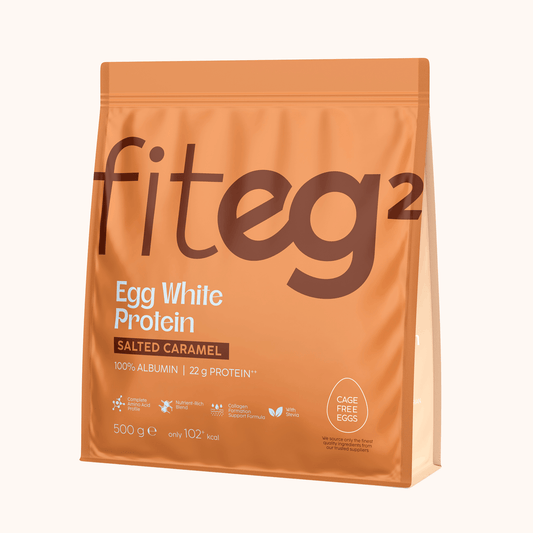
- Ainevahetuslik tugi: puhtad valguallikad, näiteks munavalgevalk, aitavad säilitada aktiivset ainevahetust ja energiakulu, tekitamata tarbetut kaloraaži koormust, mis on eriti oluline kaalukontrolli faasis.
Naha eduka pingutamise mahu vähenemise järel sõltub otseselt sellest, kui aktiivsena lihastoonus säilib. Füüsiline aktiivsus stimuleerib kohalikku mikrotsirkulatsiooni, tagades toitainete tõhusa transpordi dermise rakkudesse regeneratsiooniks.
Samal ajal tuleb arvestada, et sportliku koormuse suurenedes suurenevad ka nõudmised kogu sidekoesüsteemile. Selles olukorras toimib kõrgekvaliteediline kollageen liigestele olulise ressursina, mis aitab tugevdada liigeseid, sidemeid ja kõõluseid. Seda kinnitavad ka spetsiifilised uuringud kollageenipeptiidide tõhususe kohta liigeste tervise parandamisel ja kõhre regeneratsioonil, mis on eriti oluline kaalulanguse ajal, mil liigesed puutuvad kokku uut tüüpi dünaamilise koormusega.
Miks Nõuab Naha Taastamine Terviklikku Lähenemist?
Märkimisväärset paranemist naha seisundis pärast kaalumuutusi saab saavutada ainult sihipärase sisemise toe kombineerimisel spetsiifiliste väliste protseduuridega. Vastus küsimusele, kuidas nahka pingutada, peitub distsiplineeritud, pikaajalises lähenemises, kuna dermise regeneratsioon on järkjärguline protsess, mida mõjutavad mitmed omavahel seotud tegurid:
- Mikrotsirkulatsiooni stimuleerimine: kontrastdušid ja kuivharjamine parandavad mehaaniliselt vereringet ja lümfidrenaaži, tagades, et regeneratsiooniks vajalikud toitained ja hapnik jõuavad tõhusamalt naha ülemistesse kihtidesse.
- Kollageeni sünteesi katalüsaatorid: C-vitamiin kollageenivalemites on kriitilise tähtsusega, kuna ilma selle antioksüdandita on organismi loomulik võime toota uusi kollageenikiude praktiliselt võimatu.
- Kosmeetilised protseduurid: meetodid nagu lümfidrenaaži massaaž, kehamähised või laserravi võivad aidata parandada naha tooni ja muuta venitusarmid visuaalselt vähem märgatavaks, stimuleerides kohalikku kollageeni sünteesi.
- Rakkude detoksifikatsioon ja hüdratatsioon: piisav veetarbimine tagab rakkudevahelise vedelikuvahetuse, ennetades kudede elastsuse kadu ja muutumist haavatavamaks mikrorebendite suhtes.
Korralik ja professionaalne nahahooldus kaalulanguse ajal ei ole võimalik ilma sihipäraselt valitud toitumuslike lahendusteta, mis pakuvad tuge rakutasandil. Oluline on mõista, et kollageeni lisamine ei anna oodatud efekti, kui organism ei saa igapäevaselt piisavalt põhilist ehitusmaterjali – valku.
Ainult siis, kui organism on täielikult varustatud valguga lihaste ja kudede säilitamiseks, saab täiendavalt tarbitud kollageeni sihipäraselt suunata dermise struktuuri parandamiseks. Kõrgekvaliteedilise valgu ja kollageenipeptiidide kombinatsioon koos piisava vedelikutarbimise ja väliste iluprotseduuridega on kõige ohutum viis säilitada kudede loomulik pingutamisvõime, isegi kui venitusarmidest ei ole enam võimalik täielikult vabaneda.
Kokkuvõte Ja Soovitused Teie Valiku Jaoks
Ennetav tegevus on edu võti – palju tõhusam on hoolitseda naha tugevuse eest enne kaalulanguse protsessi ja selle ajal, kui hiljem üritada parandada juba tekkinud venitusarme ja koe lõtvumist. Soovitatav on hakata kollageeni ja kvaliteetseid valke kasutama juba dieedi alguses, tagades rakkudele pideva toitainete varustatuse.
Selleks, et aidata teie organismil nende muutustega sammu pidada ja säilitada naha särav välimus, soovitame valida puhtaid ja testitud kollageenivalemeid. Tutvuge kõigi Fiteg2 tootevaliku toodetega ja valige premium-kvaliteediga tugi, mis ühendab looduse jõu kaasaegse teaduse saavutustega teie heaolu, fitnessieesmärkide ja ilu nimel.