How to Use Protein Powder Properly – Timing and Serving Size Recommendations
These questions are valid, because online information is often contradictory. Some sources emphasize the importance of the “anabolic window,” others recommend doses that can feel excessive. A lack of clarity can lead to inconsistent use or using protein powder inefficiently. But the truth is simpler: protein isn’t a miracle cure—it’s a concentrated source of nutrients.
Effectiveness is not about a “magic” time of day, but about understanding your correct daily protein intake—and, most importantly, consistency. That’s why in this article we’ll explain in detail how to use protein powder properly so it can genuinely support your goals.
How Much Protein Powder Should You Take Per Serving?
An optimal single serving of protein powder is 20–30 grams, which usually equals one scoop. One common stumbling block is not knowing how many grams of protein should be included in one meal, but research consistently points to this range as optimal for stimulating muscle protein synthesis (MPS).
This amount provides sufficient leucine and other essential amino acids in the bloodstream, which acts as a signal to initiate recovery processes. For most high-quality products—including Fiteg protein powders—this matches the manufacturer’s standard serving size.
Does a Bigger Dose Give Better Results?
A common belief is that a larger protein dose at once automatically means faster muscle growth or better recovery. However, the optimal amount per serving is closely related to body weight and muscle mass—generally, the larger the person and the higher the training load, the more amino acids the body can effectively use.
Even for bigger individuals, there’s a capacity limit for how much the body can use for structural processes within a given time period. If you take more than roughly 40–50 grams of protein in one go (depending on individual factors), the body often can’t use all of it directly for muscle tissue synthesis.
Unlike fat, the body cannot store protein for later use. Excess amino acids are not “saved” for muscles—your body processes the surplus immediately for energy, or (if total daily calories are too high) converts it into stored fat.
In other words, routinely “overdosing” protein in a single shake is an inefficient use of the product. A much more effective strategy is to split your daily protein target into several evenly spaced servings to maintain a steadier amino acid supply throughout the day.
Water, Milk, or Plant Milk – What’s Best to Mix Protein Powder With?
How you prepare a protein shake affects more than taste—it also impacts absorption speed and nutrition. Your choice of liquid can significantly change the shake’s functional properties. The table below summarizes the most popular options.
| Liquid | Effect on Nutrition | Effect on Absorption Speed | Recommended Timing |
|---|---|---|---|
| Water | Doesn’t change calories. No fats or carbs. | Fastest absorption. | Post-workout, during weight control/cutting. |
| Milk (cow’s) | Increases calories, protein, and fat. | Slower absorption (due to casein and fats). | Breakfast, before bed, during bulking. |
| Plant milk | Varies by type (nut, oat, soy, etc.). | Medium speed, depends on fat content. | Any time as an alternative to dairy milk. |
How to Choose What to Mix Your Protein With
When deciding whether to use water or milk, let your current goal guide you.
With water: because water contains no fats or proteins that slow digestion, the shake moves through the stomach faster and is absorbed more quickly. This can be useful when you want amino acids delivered sooner—such as after training.
With milk: adding milk changes the texture (thicker) and increases nutritional density. Milk fats and casein slow digestion and absorption, which can be strategically helpful when you want longer-lasting satiety and a more sustained nutrient supply.
With plant milk: plant-based drinks (e.g., almond, oat, rice) are a great way to vary flavor and consistency without animal fats. They can also be suitable for vegetarians/vegans and for people with lactose intolerance or dairy protein allergies.
If you suspect lactose intolerance or have doubts about dairy, read more here: “Lactose-Free Protein Powder – Is It Healthier?”
How the Protein Source Affects Preparation
The raw material behind your protein powder also matters. Different protein types have unique physical properties that affect solubility and the texture of the final drink.
- Whey protein: typically dissolves quickly and has a light texture, often with relatively little foam.
- Plant (vegan) proteins: tend to be thicker and sometimes slightly “grainy,” requiring more vigorous mixing or more liquid.
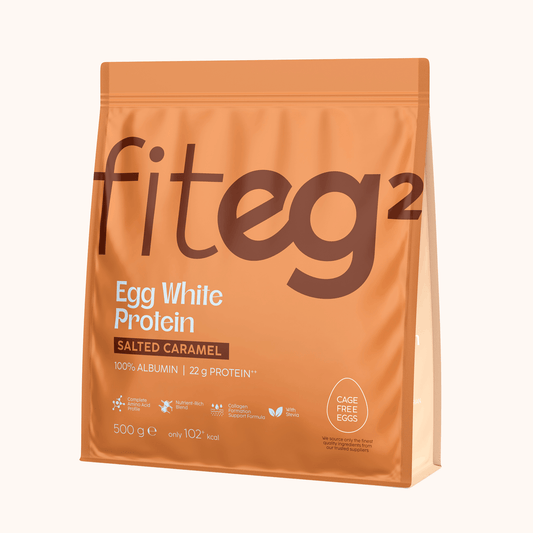
- Egg white protein (albumin): tends to foam heavily. This is useful in cooking (e.g., meringues), but when making shakes it requires a few extra considerations. For egg white protein shakes, avoid overly aggressive shaking that creates too much foam. It’s often better to use a blender (adding berries/fruit), or if using a shaker, let the drink sit for a few minutes after shaking so it becomes more uniform.
To learn more about egg white protein benefits and Fiteg quality standards, see: About Us
Best Times to Take Protein Powder – Myths vs. Reality
People often debate the “best” time to drink protein. While total daily intake is the key factor, using timing strategically can support faster recovery and better energy management.
1) After Training (Post-workout)
Myth: If you don’t drink protein immediately after training, all your effort was wasted (the “anabolic window” myth).
Reality: The “window” isn’t as narrow as some claim, but the post-workout period still matters. After intense exercise, muscles have micro-damage and glycogen stores are depleted. Protein provides the building blocks for recovery. Egg protein absorbs at a medium rate—slower than whey isolate, but much faster than casein—supporting a steady amino acid supply. A practical guideline is to take protein within 30–60 minutes after training. More tips here: “Protein Bar or Smoothie – Which to Choose After Training?”
2) At Breakfast (To Reduce Catabolism)
Myth: Protein powder is only for the gym.
Reality: After sleeping, the body is in a catabolic (breakdown) state because it has gone hours without nutrients. Having protein in the morning is a smart way to “switch off” catabolism, kick-start metabolism, stabilize blood sugar, and increase satiety—reducing cravings for unhealthy snacks later. Read more: “Protein Powder for Breakfast – How to Start the Day Feeling Full”
3) Before Bed
Myth: Protein before sleep causes fat gain and is harmful.
Reality: Nighttime is when recovery processes are active and growth hormone is released. A well-chosen protein in the right dose before sleep doesn’t cause fat gain—it supplies muscles with amino acids. Because egg protein absorbs more gradually, it can work similarly to casein by “feeding” muscles for hours and reducing overnight muscle breakdown.
Can You Take Protein Powder on Rest Days?
One of the most common questions is whether protein is needed when you’re not training. The answer is simple: yes. Protein is essential for everyone regardless of fitness level, because it’s a building material not only for muscles but also for cells, immune function, and hormonal health.
For athletes, muscle growth and adaptation don’t happen during the workout—the workout is the stimulus. The real repair and growth happen during recovery, typically 24–48 hours after training. If the body doesn’t get enough amino acids during this period, recovery can be incomplete.
For non-athletes, protein powder can simply make it easier to hit daily protein needs, supporting metabolism and satiety. So if you’re wondering whether to drink protein when you’re not training, remember: the body’s baseline need for amino acids doesn’t drop nearly as much as the need for carbohydrates (energy).
On rest days, you can add protein powder to foods like porridge or pancakes, or use it as a snack. For extra convenience when you’re away from home, a great alternative is quality protein bars—an easy way to get protein without preparation.
How to Calculate Your Daily Protein Target
To understand how much additional protein you need, you first have to estimate how much protein you need per day overall. This depends on lifestyle, age, and goals. Here are simplified guidelines for an approximate calculation:
- Sedentary / minimal activity: 0.8–1.0 g per kg of body weight (minimum to support basic functions).
- Active lifestyle / sports: 1.6–2.0 g per kg of body weight (for recovery and performance).
- Weight loss: 1.8–2.2 g per kg of body weight (helps preserve muscle mass in a calorie deficit). Learn more: “Protein Powder for Weight Loss – What You Need to Know”
Example: a 70 kg active person may need around 126 g of protein per day (70 × 1.8). Hitting that amount from whole foods alone can be challenging—especially with a busy schedule. In such cases, protein powder is convenient: one shake can provide 20–30 g of high-quality protein, making it much easier to reach your daily target.
Age also matters: as metabolism changes, protein absorption efficiency can change too. Read more about nutrition considerations later in life: “Protein After Age 40”
Summary and Recommendations
You don’t need complicated schemes to use protein powder effectively. If you follow a few basic principles, it becomes a natural and efficient habit:
- Serving size: one scoop (20–30 g protein) per serving.
- Frequency: 1–2 times per day, depending on the rest of your diet.
- Liquid: water absorbs faster; milk or plant drinks add satiety.
- Best timing: prioritize post-workout and breakfast, but a protein shake also works well as a filling snack. Most important is total daily protein, ideally split into several evenly spaced servings.
- Consistency: use protein powder regularly to meet your target on both training and rest days.
Choose Fiteg protein powder—a clean, easy-to-dose, effective product that helps you reach your nutrition and fitness goals without unnecessary complexity. Build sustainable, healthy habits—good luck!