Protein After the Age of 40 – How to Restore Muscle Strength?
After crossing the age of 40, you may notice that your body begins to change – strength reserves seem to decline, and physical condition no longer recovers as quickly as before. This is a natural process known in science as sarcopenia, which refers to the gradual loss of muscle mass and functional strength.
Although it happens subtly, these changes directly affect metabolic rate, energy levels, and overall quality of life. The good news, however, is that this process can be slowed down. One of the most effective methods is conscious and sufficient protein intake combined with an active lifestyle.
In this article, we explain why protein becomes critically important at this stage of life, how to make it easier to consume, and which type of protein will help you maintain vitality in the long term.
Why does muscle mass decrease after the age of 40?
To understand the solution, it is first necessary to understand the causes. Human physiology dictates that after the age of 40–45, muscle mass naturally begins to decline by approximately 3–8% with each subsequent decade. This is not merely an aesthetic issue, but a functional change that affects the body’s ability to burn calories and maintain strength. Several factors contribute to this process.
- Hormonal changes: levels of anabolic hormones (testosterone, growth hormone, and insulin-like growth factor) decrease, directly impacting protein synthesis in tissues.
- Digestive efficiency: with age, digestive enzyme activity may decline, meaning the body absorbs fewer nutrients from food compared to younger years.
- Reduced activity: a more sedentary lifestyle combined with inadequate nutrition accelerates sarcopenia – the progressive loss of skeletal muscle mass and functional strength.
- Regenerative capacity: over time, muscle recovery after exertion slows down, and without proper nutrition, tissue breakdown (catabolism) begins to dominate over tissue building (anabolism).
As a result, age-related muscle loss becomes a complex issue that requires a thoughtful approach. First and foremost, this means planning your nutrition before increasing the intensity of physical activity.
What is the role of protein in maintaining and restoring muscle?
Proteins are the fundamental building blocks of every cell in the body. When it comes to physical condition, high-quality protein for muscles provides the essential amino acids that serve as structural material for repairing damaged muscle fibers and building new tissue.
Scientific studies confirm that protein and strength are inseparable concepts – regular protein intake combined with moderate resistance training makes it possible not only to preserve but even increase muscle mass in later years. Without sufficient amino acids in the body, it is impossible to effectively counteract natural aging processes, which is why protein after the age of 40 becomes a nutritional priority. However, maintaining muscle mass is not the only benefit – proteins are also essential for many other bodily functions.
- Metabolism activation: protein and metabolism are closely linked. Digesting protein requires more energy (thermic effect) than processing carbohydrates or fats, helping to maintain a healthy body weight.
- Appetite regulation: adequate protein intake helps stabilize appetite and prevent overeating, reducing the risk of excess weight – an issue that often becomes relevant in midlife.
- Hormonal balance and energy: amino acids are required for hormone synthesis and help maintain stable energy levels throughout the day.
How much protein is needed after the age of 40?
One common mistake is believing that food intake should only decrease with age. While total calorie intake often should be reduced, the daily protein intake should actually be increased.
This is explained by anabolic resistance – a physiological phenomenon where a mature body is no longer able to synthesize new tissue as efficiently from small amounts of protein as it could in youth. How much protein is needed to maintain muscle mass depends on several factors, the most important being the level of physical activity.
- Baseline intake for health maintenance: to prevent muscle loss and the development of sarcopenia, research recommends consuming an average of 1.2–1.6 g of protein per kilogram of body weight per day.
- With high physical activity: for active individuals and athletes, this number is higher. To ensure proper recovery after intense training, protein intake may need to be increased to up to 2 g/kg per day.
- For women during menopause and postmenopause: due to hormonal changes, estrogen levels decline rapidly, accelerating the loss of both muscle and bone mass. Adequate protein intake is therefore critical – international guidelines recommend at least 1.2 g of protein per kilogram of body weight to help maintain skin firmness and reduce the risk of osteoporosis, especially when combined with regular strength training.
Equally important as total intake is how protein is distributed throughout the day. Studies show that protein intake after the age of 40 is most effective when it is spread evenly across meals rather than consumed mainly at dinner. To overcome anabolic resistance and stimulate muscle protein synthesis, it is recommended to consume at least 25–30 grams of high-quality protein at each main meal.
Why is everyday food often not enough?
In theory, the required amount of protein can be obtained from food (dairy products, meat, fish, legumes), but in practice this is often difficult. To obtain sufficient amino acids, people may consume excessive calories and fats, which slows metabolism and places additional strain on the digestive system.
For this reason, high-quality protein powders have become an effective solution – they provide easily digestible protein and essential amino acids for tissue recovery while avoiding excess fats and carbohydrates commonly found in regular food.
Which type of protein is best after 40?
To determine the best protein after the age of 40, it is important to consider not only taste but also absorption rate and digestive tolerance, as the digestive system becomes more sensitive with age.
- Hydrolyzed protein: this is not a separate source but a processing method where proteins are partially broken down into smaller peptides, making digestion easier and ensuring rapid amino acid delivery to muscles.
- Plant or whey protein: whey protein is popular for its fast absorption but contains lactose, which may cause bloating or digestive discomfort. Plant-based proteins (pea, hemp, soy) are gentler on digestion but often lack a complete amino acid profile.
- Egg white (albumin) protein: often regarded by experts as the “gold standard.” It has the highest biological value, a complete amino acid profile, contains no lactose or fats, and supports clean muscle nutrition without digestive issues.
To learn more about Fiteg product quality, sourcing, and scientific background, visit the “About Us” section.
Don’t forget about joints – the role of collagen
When discussing strength and vitality after 40, it is a mistake to focus only on muscle mass. As physical activity increases, ligaments, tendons, and joints also experience greater stress. While protein rebuilds muscles, collagen strengthens the connective tissue framework.
Therefore, alongside egg white protein, it is recommended to include eggshell membrane collagen to support comprehensive musculoskeletal health.
When and how to use protein most effectively?
Achieving visible results requires not only purchasing protein powder but also using it correctly.
- In the morning: after sleep, the body is in a mild catabolic state. Protein-rich breakfasts help stop muscle breakdown and activate metabolism.
- After exercise: the “golden window” is 30–60 minutes post-workout. If a full meal is not possible, egg white protein bars provide a convenient and effective alternative.
Learn more about choosing between a smoothie or a bar after training in the article “Protein Bar or Smoothie: What to Choose After Training?”.
- In the evening: taking protein before sleep supports overnight recovery and hormone synthesis.
- Combining nutrients: protein absorption improves when combined with small amounts of quality carbohydrates.
Common mistakes when using protein after 40
- Irregular use: protein is needed daily, not only on training days.
- Insufficient hydration: increased protein intake requires higher water consumption.
- Diet imbalance: protein supplements should complement, not replace, balanced meals.
Summary and recommendations
After the age of 40, protein becomes an essential part of daily nutrition for maintaining strength, vitality, and metabolic health. Preserving muscle mass is an investment in long-term quality of life.
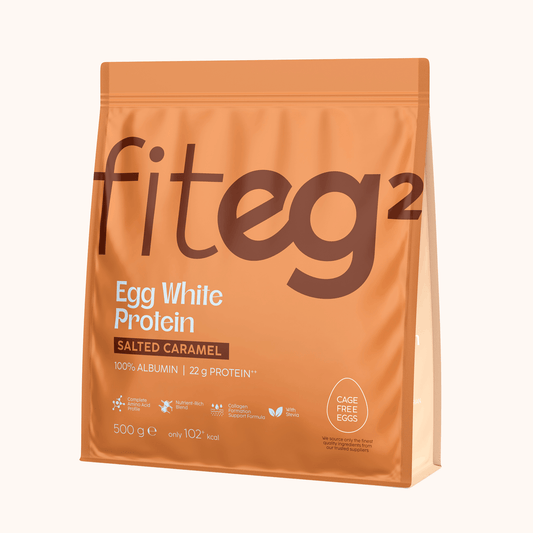
Fiteg egg white protein powder is an excellent choice for mature individuals – 100% natural albumin, lactose-free, easy to digest, and highly effective for muscle support.
Try Fiteg egg white protein – your reliable partner in restoring muscle strength and maintaining energy!