Protein Powder for Weight Loss – What You Need to Know?
Does protein really help you lose weight? The answer is yes—if it is used wisely and with an understanding of the body’s processes. Very often, when people start losing weight, they experience a lack of energy and constant hunger, which quickly makes them give up. A high-quality protein powder is not a miracle product that magically burns fat while you sit on the couch, but rather one of the most effective supporting tools on the path to your goal.
In this article, we explain how protein affects metabolism, how to use it correctly during weight loss, and how to choose a product that helps you reach your goal—not just reduce calories, but also feel good in your body.
How Does Protein Help with Weight Loss?
To understand the importance of protein in the weight management process, it is necessary to look at the biochemical processes that take place in our body after eating. Unlike carbohydrates and fats, proteins perform not only an energetic function but also a structural and regulatory one. The role of protein in weight loss is scientifically proven and is based on several physiological mechanisms.
- Appetite regulation: studies show that protein intake reduces levels of the “hunger hormone” ghrelin while simultaneously increasing satiety hormones (for example, peptide YY). As a result, protein and the feeling of fullness are closely linked—by including it in meals, you naturally feel full for longer, helping you avoid overeating and unnecessary snacking between meals.
- High thermic effect (TEF – Thermic Effect of Food): this means that protein powder for weight loss is truly effective because the body uses significantly more energy to digest and metabolize protein compared to other nutrients. This process naturally speeds up metabolism, allowing you to burn more calories even at rest.
- Protein and metabolism: during a calorie deficit, the body often starts using muscle tissue as an energy source. Adequate protein intake reduces muscle loss during calorie restriction, thereby keeping metabolism active, since muscles are the main “engine” of fat burning.
- Energy and blood sugar fluctuations: finally, protein provides stable energy and reduces blood sugar fluctuations, preventing sudden energy drops and cravings for sweets.
Which Type of Protein Is Best for Weight Loss?
Store shelves are filled with various types of protein powders, but not all of them are equally suitable for weight loss. To choose the best protein powder for weight loss, you should consider not only taste, but also ingredients, lactose content, and amino acid profile.
- Whey protein: still one of the most popular options on the market because it absorbs quickly and is ideal after workouts. However, whey is a dairy product and may cause bloating, digestive discomfort, or inflammatory reactions in many adults due to lactose.
- Plant-based proteins (pea, rice, hemp): a good option for people with sensitive digestion and vegetarians. However, plant proteins often have an incomplete amino acid profile unless they are specially combined, and they may have a grainy taste.
- Casein protein: unlike whey, it digests slowly. Casein protein in the evening can be useful to supply the body with amino acids throughout the night and help control hunger. However, it is also a dairy product and is not suitable for people with milk protein allergies or lactose intolerance.
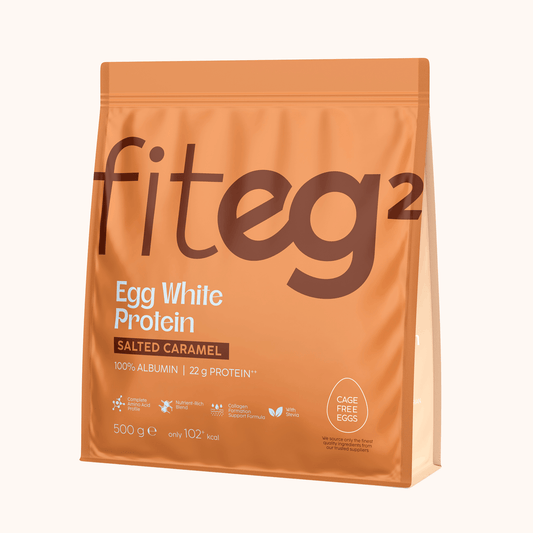
Albumin (egg white) protein (for example, the Fiteg formula): egg white protein is considered the “gold standard” of bioavailability because the body can absorb and utilize almost 100% of it. It provides a complete amino acid profile and long-lasting satiety, making it ideal during a calorie deficit. It contains no lactose, fats, or unnecessary carbohydrates, supplying the body with the amino acids needed to maintain muscle without burdening the digestive system.
How to Use Protein Powder Properly for Weight Loss?
A common question is when to consume protein while losing weight to achieve maximum results. The answer lies in incorporating protein meals correctly into your daily routine, remembering that protein powder is a dietary supplement, not a replacement for a balanced diet.
- After physical activity: consume protein after workouts to support muscle recovery and prevent overeating. Protein intake 30–60 minutes after exercise helps stabilize appetite and direct nutrients toward tissue recovery rather than fat storage.
- Healthy smoothies: protein powder can be used as the base for a nutrient-rich smoothie. Combined with water, milk, or plant-based drinks and supplemented with berries, seeds, spinach, or oats, it becomes a filling and vitamin-rich meal.
- Preparing healthier alternatives: to diversify your menu and avoid monotony, protein powder can be mixed into Greek yogurt, cottage cheese, or used to partially replace flour when baking pancakes and desserts.
- Dosage: the recommended daily amount is approximately 20–30 g of protein powder, depending on activity level and calorie goals.
When looking for ways to consume protein outside the home—during busy days or while traveling—a great alternative is egg white protein bars , which provide quick, healthy energy and help avoid unhealthy snacks.
To learn why protein-rich breakfasts are so important and how to diversify your morning meals, read the article “Protein Powder for Breakfast – How to Start the Day with a Feeling of Fullness” .
Common Mistakes When Using Protein Powder for Weight Loss
Even with the best intentions, mistakes can occur that slow progress or even cause the opposite effect. Therefore, it is important to understand how not to use protein so the supplement delivers the expected results instead of becoming an obstacle.
- Liquid-only nutrition: replacing all meals with shakes leads to short-term results and slows metabolism.
- Hidden sugar: sweetened protein powders may contain excessive sugar or artificial additives, turning a “healthy” shake into a calorie-dense dessert.
- Insufficient protein intake: too little protein leads to muscle loss rather than fat loss.
- Lack of hydration and fiber: increased protein intake requires adequate water and fiber to support kidney function and digestion.
- Ignoring calorie balance: protein contains calories and must be included in your daily intake plan.
Choosing a High-Quality Protein Powder – What to Look For
To achieve the desired effect, a supplement must be functional and aligned with your goal. When choosing a protein powder for weight loss, examine the label carefully.
- Ingredient transparency and added value: high-quality products include digestive enzymes (such as DigeZyme®) and vitamin C to support absorption and energy metabolism.
- Sweeteners versus sugar: choose protein powders without added sugar or with minimal amounts.
- Bioavailability and source: egg white (albumin) protein is one of the most efficiently absorbed protein sources.
- Manufacturer reputation: learn more about Fiteg’s philosophy on the About Us page.
Summary and Recommendations
Weight loss requires balance between discipline and care for your body. A high-quality protein powder is a functional support tool—not a miracle solution.
For those seeking a clean and reliable solution, Fiteg’s egg white protein is a logical choice.
Try Fiteg protein powder — a natural and effective ally for achieving your fitness, wellbeing, and body composition goals.