Millise toiduga peaks paastu õigesti katkestama? Valk vs süsivesikud
Läbimõeldud ja kontrollitud paastumine on üks võimsamaid vahendeid organismi isepuhastumiseks ja ainevahetuse taaskäivitamiseks, kuid selle lõpetamine on kriitiline etapp, mis määrab, kas saavutatud tulemused säilivad. Oluline on mõista, et paastumine ei sobi kõigile – kui igapäevase toitumise alus ei ole korras ja organism ei ole ette valmistatud, võib spontaanne paastumine teha rohkem kahju kui kasu.
Neile, kes lähenevad sellele protsessile teadlikult, nõuab hetk, mil toitaineid esmakordselt tarbitakse, siiski erilist ettevaatlikkust. Kui seedetrakt on "puhanud" tunde või isegi päevi, võib raske, süsivesikuterikas toidukord põhjustada veresuhkru järsu tõusu ning väljendunud puhitust ja seedeebamugavust.
Miks peaks esimene toidukord põhinema lahjadel valkudel, et tagada õrn üleminek tagasi tavapärase toitumisrutiini juurde, põhjustamata seedetraktile süsteemset šokki – seda selgitame käesolevas artiklis.
Mis Toimub Organismiga Veepaastu Ajal?
Veepaastu ajal, mil kaloraaž on täielikult peatatud, lülitub organism järk-järgult üle alternatiivsele energia hankimise meetodile, kasutades talletatud rasvavarusid. Selle perioodi jooksul langeb insuliinitase veres miinimumini, mis on autofaagia – rakkude isepuhastumise protsessi – hädavajalik eeltingimus.
- Tuleb rõhutada, et sügav autofaagia ja seedesüsteemi igakülgne taastumine toimuvad kõige aktiivsemalt just pikaajalise paastumise ajal (tavaliselt pärast 48–72 tundi), mil energia suunatakse täielikult ümber rakkude "remondile", mitte toidu lagundamisele. Kuid juba pärast esimest 24 tundi aeglustub ensüümide ehk seedeensüümide (aineid, mis lagundavad toitu) tootmine, mis muudab soolestiku limaskesta tundlikumaks igasuguse kohese ärrituse suhtes.
Mida pikem on paastumisperiood, seda enam muutub seedetrakt paastu lõpuks "puhtaks lehtvestiks" – valmis toitaineid võimalikult tõhusalt omastama, kuid samal ajal äärmiselt kergesti ülekoormatavaks.
Miks On Paastu Õige Lõpetamine Tervise Säilitamiseks Ülioluline?
Paastu õige lõpetamine tagab, et üleminek tavapärase toidu juurde toimub ilma tarbetu koormuseta endokriinsüsteemile, tugevdades samal ajal seedesüsteemis saavutatud taastavat mõju. See valmistab organismi ette edasiseks toitainete tarbimiseks, aidates säilitada paastumisperioodi jooksul saavutatud edu.
Paastu õigel katkestamisel saavutatakse kolm peamist eesmärki:
- Mineraalide stabiilsus: see aitab ennetada refeeding sündroomi ehk ohtlikke elektrolüütide kõikumisi, mis võivad tekkida pärast pikaajalist toidupuudust, kui koheselt tarbitakse suur kogus glükoosi.
- Õrn seedimise taaskäivitus: organism taastab järk-järgult seedeensüümide sünteesi, põhjustamata ebamugavustunnet, mida tekitaks järsk raske toidukoormus.
- Toitainete sihipärane kasutamine: suurenenud insuliinitundlikkust kasutatakse maksimaalselt, et omastatud aminohapped jõuaksid otse lihastesse, selle asemel et aktiveerida rasva talletamise mehhanisme, mida käivitaks järsk insuliinitõus.
Miks On Süsivesikud Või Rasvad Halvim Valik Esimeseks Toidukorraks?
Suurim risk paastu katkestamisel süsivesikutega on kiire ja kontrollimatu insuliinitõus. Kui suhkrud (isegi puuviljadest) või tärkliserikkad toidud jõuavad tühja makku, tõuseb veresuhkur väga järsult, käivitades massilise insuliini vabanemise, mis katkestab koheselt kõik paastumise kasulikud mõjud. Sellisele "tipule" järgneb tavaliselt sama kiire langus, põhjustades söögijärgset tugevat väsimust, peavalu ja kontrollimatut soovi süüa jätkata, mis viib sageli ülesöömiseni.
Rasvad on omakorda problemaatilised nende aeglase töötlemise ja kõrge energiatiheduse tõttu. Pärast pikemat toiduta perioodi ei pruugi sapipõis olla valmis koheselt emulgeerima suurt kogust rasva (rasvatilkade lagundamine seedemahladega). See põhjustab sageli niinimetatud gastrokoolset refleksi – kohest vajadust minna vannituppa, millega kaasnevad valulik puhitus ja krambid.
Esimene toidukord, milles domineerivad süsivesikud või rasvad, põhjustab sageli järgmisi tagajärgi:
- Puhitus: süsivesikute käärimine tundlikus seedetraktis tekitab liigset gaasirõhku.
- Vedelikupeetus: iga gramm süsivesikuid seob 3–4 grammi vett, mis pärast paastumist võib põhjustada äkilist tursumist ja üldist raskustunnet.
- Ainevahetuslik stress: organism on sunnitud järsult vahetama energiaradasid, mis tekitab täiendavat stressi kogu hormonaalsüsteemile.
Nende probleemide vältimiseks on oluline mõista, et esimese toidukorra eesmärk on seedeprotsesse õrnalt "sisse lülitada". Valides lahjaid valke, jõuavad toitained vereringesse järk-järgult, ennetades järske suhkrutõuse ja säilitades stabiilse insuliinitaseme.
Lahjad Valgud – Kõige Ohutum Valik Paastu Katkestamiseks
Lahjatest valkudest rikas toidukord on kõige ohutum viis paastu katkestamiseks, kuna valk nõuab ühtlast ja järkjärgulist seedemahlade eritumist. Erinevalt süsivesikutest ei kutsu valk esile järsku insuliinivabanemist, vaid aitab hoopis ainevahetust samm-sammult stabiliseerida. Lisaks tagab see esimene toidukord aminohapete kohese jõudmise kudedesse, mis on hädavajalik lihasmassi kaitsmiseks ja rakulise taastumise stimuleerimiseks.
Tervislike hommikusöökide või mis tahes esimese toidukorra valmistamisel pärast paastumist on peamine nõue toitainete maksimaalne kergus. Mida vähem mehaanilist koormust maole avaldatakse, seda tõhusamalt suudab organism kohaneda üleminekuga tagasi toidutarbimise juurde. Seedeprotsesside õrnaks aktiveerimiseks on soovitatav struktureerida esimene toidukord järgmiste põhimõtete kohaselt:
- Soe luupuljong: soe kodune luupuljong on kõige sobivam valik, kuna see sisaldab mineraale ja aminohappeid looduslikul, kergesti omastataval kujul. See aitab õrnalt stimuleerida maomahla eritumist, valmistades seedesüsteemi tööks ette.
- Termiliselt töödeldud ja kerged valgud: kui seedesüsteem on sooja vedelikuga ette valmistatud, saab lisada väikese koguse õrna toitu. Pehmeks keedetud muna või aurutatud valge kala on suurepärane näide lahjast, kuid valgurikkast toidust.
- Tugevalt lahjendatud munavalgevalk: kui valikuks on funktsionaalne toitumine, ei tohiks seda pärast pikaajalist paastuperioodi tarbida paksu, kontsentreeritud joogina. Kergesti seeditavat valgupulbrit saab lisada väikeses annuses puljongisse või sooja vette, tagades sellega aminohapete kättesaadavuse ilma seedimise šokita, mida põhjustaks klassikaline piima või mahlaga valmistatud kokteil.
- Kollageen soolestiku limaskesta kaitsmiseks: kollageenis leiduv aminohape glütsiin aitab loomulikult taastada soolestiku sisemist limaskesta. Valides kvaliteetse kollageenilisandi, pakute vajalikke ehitusplokke soolestiku seinte rahustamiseks ja tugevdamiseks pärast paastumist. Tühja kõhuga esimese toidukorra osana tarbituna loob see kaitsekihi, mis valmistab seedetrakti ette tahke toidu edasiseks tarbimiseks.
Selline järkjärguline lähenemine tagab, et seedesüsteemis saavutatud taastavaid tulemusi ei rikuta äkilise ülekoormusega, vaid need muutuvad hoopis stabiilseks aluseks tulevasele heaolule.
Miks On Munavalgevalk Kõige Sobivam Allikas Üleminekufaasis?
Pärast seda, kui seedesüsteem on sooja vedelikuga õrnalt ette valmistatud, on järgmine samm kõrgekvaliteediliste aminohapete kasutuselevõtt, et ennetada lihaskoe lagunemist. Sel hetkel saab munavalgevalgust suurepärane valik, kuna see pakub kõrgeimat bioloogilist väärtust ilma täiendavate ärritajateta. Erinevalt vadakuvalgust on see laktoosivaba valk, mis on eriti oluline, kuna pärast paastumist on laktaasi ensüümi aktiivsus vähenenud.
See tähendab, et piimavalgud tühjal kõhul võivad põhjustada kohest puhitust või ebamugavustunnet, samas kui munavalge on seedetraktile palju õrnem. Paljud tervisliku eluviisi harrastajad valivad munavalgepulbri lisamise oma toitumisse mitmel olulisel põhjusel:
- Kõrgekvaliteediline koostis: munavalge sisaldab kõiki asendamatuid aminohappeid proportsioonides, mis on väga lähedased inimkoe struktuurile. See tagab, et toitaineid kasutatakse tõhusalt organismi taastumiseks, mitte lihtsalt ei erituta.
- Õrn mõju seedimisele: uurides täpsemalt, kuidas kaitsta tundlikku seedetrakti, saab selgeks, et munavalge ei sisalda ühtegi spetsiifilist süsivesikut (FODMAP-e), mis on tavaliselt gaaside ja raskustunde peamiseks põhjuseks.
- Maksimaalne puhtus: albumiin ehk munavalge on kergesti seeditav valk, mis ei sisalda praktiliselt üldse rasva ega süsivesikuid. See võimaldab täpselt kontrollida insuliinivastust hetkel, mil rakud on pärast paastumist selle suhtes kõige tundlikumad.
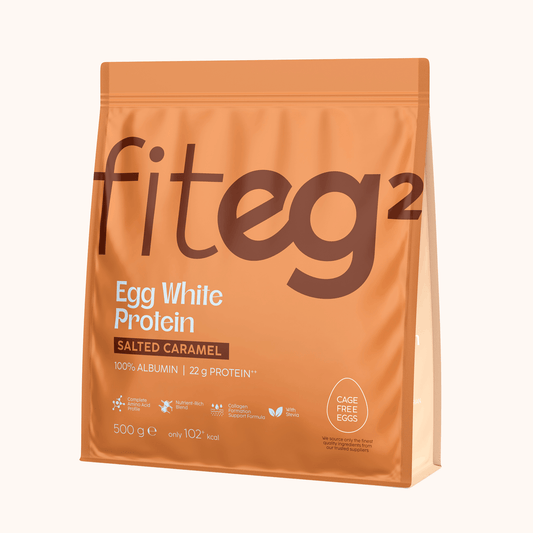
Fiteg2 Täiustatud Valgupulbri Retsept Steviaga
Fiteg2 kaubamärgi areng on alati põhinenud andmetel ja võimel kohaneda kaasaegsete toitumisstandarditega. Valgupulbrites varem kasutatud sukraloos on üks põhjalikumalt uuritud magusaineid ja Euroopa Toiduohutusamet (EFSA) on selle tunnistanud ohutuks. Vastuseks aga kasvavale nõudlusele loodulikumate lahenduste järele on uus valgupulbri retsept täiustatud, minnes üle steviale – taimsele ekstraktile.
Stevia rebaudiana lehtedest saadud stevia on täiesti looduslik lahendus, mille glükeemiline indeks on null. See tähendab, et see munavalgevalk ei põhjusta veresuhkru kiiret tõusu, aidates säilitada stabiilset ainevahetuslikku talitlust isegi hetkel, mil paast katkestatakse.
See üleminek looduslike koostisosade suunas asetab Fiteg2 maailma premium-klassi kaubamärkide hulka, mis liiguvad eemale laboris sünteesitud lisaainetest taimsete ressursside kasuks. Sellise lahenduse valimisega tagatakse organismi maksimaalne austamine, andes sellele vajaliku taastava jõu, tekitamata seejuures tarbetuid riske seedetervisele.
Kokkuvõte ja Soovitused Teie Valiku Jaoks
Paastu lõpp on sama oluline kui paast ise. Esimesed toidukorrad määravad otseselt, kuidas te järgnevatel tundidel ja päevadel end tunnete, mistõttu on ülioluline valida lahjal valgul põhinev toidukord, mis ei tekita järsu insuliinitõusu riski. Soovitatav on alustada väikesest portsjonist soojast puljongist, võimaldades seedesüsteemil järk-järgult kohaneda, ning liikuda alles seejärel edasi tahkema toidu ja süsivesikute juurde.
Seedesüsteemi äratamine tuleb teha õigesti ja õrnalt. Fiteg2 munavalgevalk loodi täpselt selleks otstarbeks – pakkumaks organismile vajalikke toitaineid, tekitamata tarbetut ebamugavustunnet. See on kergesti seeditav valk, mis on kombineeritud loodusliku magusainega, tagades organismi üldise taastumisprotsessi maksimaalse puhtuse ja tõhususe.