Juuste väljalangemine ja dieet: miks vajab keratiin valku ja kollageeni?
Juuste väljalangemine ei ole ainult geneetika või liigse stressi küsimus – see on sageli organismi hoiatussignaal toitainete puuduse kohta. Bioloogiliselt peetakse juukseid "luksusfunktsiooniks", mis tähendab, et organism annab energia esmajärjekorras elutähtsatele elundite. Kui toidulaual napib spetsiifilisi ehitusmaterjale, piirab organism kõigepealt ressursside jõudmist juuksefolliikulitesse, põhjustades nende kasvu aeglustumist või täielikku peatumist.
See bioloogiline prioriteedisüsteem tähendab, et juuste väljalangemise põhjused ei peitu mitte ainult välises hoolduses, vaid eelkõige igapäevases toitumises ja organismi võimes varustada juuksejuuri vajalike toitainetega. Ainult juuste struktuuri mõistes ja organismile õigeid ressursse pakkudes on võimalik vähendada juuste väljalangemist ja soodustada uute juuste kasvu.
Selleks, et aidata teil neid protsesse mõista, selgitab see artikkel seost juuste struktuuri ja igapäevaselt tarbitava valgu vahel, miks munavalge aminohapped ja biotiin on kõige tõhusam ressurss keratiini tootmiseks ning millist rolli mängib kollageen peanaha tervise säilitamisel.
Millest Juuksed Tegelikult Koosnevad?
Juuste nähtav osa, karv, koosneb ligikaudu 95% ulatuses mehaaniliselt vastupidavast valgust, mida nimetatakse keratiiniks. Seda toodetakse juuksefolliikulites, kus organism loob saadud toitainetest uusi juuksurakke. Selleks, et see keratiini süntees edukalt toimuks, vajab organism stabiilset, kõrgekvaliteedilist valku, mis seedimise käigus lagundatakse aminohapeteks.
Spetsiifilised aminohapped, näiteks tsüsteiin ja metioniin, on eriti olulised, kuna need sisaldavad väävlit ja moodustavad tugevaid disulfiidsidemeid – mikroskoopilisi "sildu", mis hoiavad keratiinikiude koos, tagades juuste tugevuse, elastsuse ja loomuliku läike. Kui toidulaual esineb pikaajaline valgupuudus, ei toodeta folliikulites keratiini piisavas tiheduses ega kvaliteedis. See käivitab ahelreaktsiooni, mille nähtavaid tagajärgi ei saa lahendada ainult välise hooldusega:
- Struktuurne haprus: juuksed muutuvad poorseks, tuhmiks ja hakkavad murduma juba väiksemagi mehaanilise pinge või harjamise korral.
- Häiritud kasvutsükkel: loomulik kasvutsükkel aeglustub märkimisväärselt, kuna organism säästab ressursse ja nihutab juuksefolliikulid enneaegselt puhkefaasi.
- Mahu ja tiheduse kadu: juuste tervis mõjutub nii põhjalikult, et folliikulid ei suuda enam tagada juuksejuure stabiilset kinnitumist dermise kihti, põhjustades enneaegset ja suurenenud juuste väljalangemist.
Just seetõttu on kõrgekvaliteediline valk juuste jaoks põhiline ressurss, mis toetab nende tugevust juba kasvu algusest peale. Ainult piisav aminohapete varu tagab, et juuksefolliikulid saavad kõike, mida nad uute rakkude loomiseks vajavad. Varustades organismi nende varudega, on võimalik õigeaegselt ennetada juuste väljalangemise põhjuseid, mis on otseselt seotud toitainete puudusega.
Miks On Munavalk Juuste Jaoks Nagu "Aminohapete Pomm"?
Mune ja neist saadud albumiini ehk munavalgevalku peetakse toitumisteaduses "kullastandardiks" nende ainulaadse aminohapete profiili tõttu. Erinevalt paljudest taimsetest toodetest sisaldab munavalge kõiki vajalikke väävlit sisaldavaid aminohappeid proportsioonides, mis on peaaegu identsed inimorganismi vajadustega.
Need spetsiifilised aminohapped juuste kasvuks on eluliselt olulised, kuna need toimivad keratiini tootmise peamise toorainena, pakkudes juuksefolliikulitele kohest ressurssi ilma tarbetu energiakuluta. Lisaks suurepärasele aminohapete profiilile on munatooted ka looduslik biotiini allikas, mis toimib valguainevahetuses asendamatu katalüsaatorina.
Ilma selle B7-vitamiinita on aminohapete muutmine juuste struktuuriks praktiliselt võimatu, kuna just see võimaldab uute keratiinikiudude sünteesiks vajalikke keemilisi reaktsioone. Selle mõju juuste tervisele on mitmekülgne ja sihipärane:
- Sünteesi aktiveerimine: biotiin toimib ensümaatilise katalüsaatorina, mis sõna otseses mõttes "lülitab sisse" keratiini moodustumise protsessid juuksurakkudes.
- Energiatugi: soodustades süsivesikute ja rasvade ainevahetust, tagab see juuksejuurtele rakujagunemise aktiivseks faasiks vajaliku energia.
- Kaitse ja vastupidavus: see tugevdab juuste välist küünenahka, muutes selle vastupidavamaks mehaanilistele kahjustustele ja keskkonnastressile.
Ainult siis, kui organism saab täieliku aminohapete ja vitamiinide kompleksi, saavad juuksejuured korralikult toimida ja seista vastu teguritele, mis põhjustavad enneaegset nõrgenemist. Selline igakülgne sisemine toitmine, mida pakub bioloogiliselt kõrgeväärtuslik munavalk juuste jaoks, on juuste struktuuri pikaajalise tervise ja vastupidavuse otsustav tegur.
Miks Peetakse Kollageeni Juuksejuurte "Mullaks"?
Kuigi keratiin moodustab juuste nähtava osa, asub juuksesibul ehk folliikul ise dermises – naha sügavamas kihis, mille peamiseks struktuurseks komponendiks on kollageen. Dermise tervis ja tihedus on kriitilise tähtsusega tegurid, kuna see on just see kiht, mis tagab folliikuli kinnitumise ja veresoontevõrgustiku, mis toimetab juuresteni hapniku ja toitaineid.
Kõrgekvaliteediline kollageen juuste väljalangemise vastu toimib naha sügavamate kihtide tugevdamise ja enneaegse koe vananemise ennetamise kaudu, mis muidu viiks juuksefolliikulite nõrgenemiseni. Valides oma vajadustele ja juuste seisundile sobiva kollageenilisandi, pakutakse koe regeneratsioonile mitmeid olulisi eeliseid:
- Peanaha tervis ja kinnitus: tugev ja elastne dermise struktuur toimib stabiilse mehaanilise toena, tagades juuksejuure tugevama kinnitumise. See on eriti oluline anageeni ehk kasvufaasi ajal, et juuksed jääksid folliikulisse kindlalt kinni.
- Mikrotsirkulatsioon ja toitmine: optimaalne kollageenitase säilitab veresoonte seinte elastsuse, tagades toitainete pideva transpordi. Ilma piisava verevarustuseta kahanevad folliikulid järk-järgult, mis on otsene põhjus, miks juuksed muutuvad vanusega peenemaks ja hapramaks.
- Kaitse oksüdatiivse stressi eest: kollageeni peptiidides sisalduvad aminohapped aitavad neutraliseerida vabu radikaale. Need "agressorid" kahjustavad folliikulirakkude DNA-d, põhjustades nende halvenemist ja häirides uute juuste moodustumise protsessi.
Laiaulatusliku toe jaoks toimib kollageen ilu jaoks asendamatu ressursina, mis mitte ainult ei paranda naha üldist tugevust, vaid aitab säilitada ka dermise kihi paksust. Dermise paksus on hädavajalik, et folliikul saaks korralikult toimida ja toota kõrgekvaliteedilist keratiini.
- Selleks, et paremini orienteeruda kollageenilisandite laias valikus ja mõista, kuidas erinevad valgud mõjutavad konkreetseid kudesid, leiate kasulikku teavet artiklist „Kollageeni juhend: kuidas mõista, millist tüüpi (I, II, III) sa tegelikult vajad?”.
Millised On Kõige Levinumad Toitumisvead, Mis Mõjutavad Negatiivselt Juuste Seisundit?
Paljudel juhtudel ei peitu juuste väljalangemise põhjused mitte terviseprobleemides, vaid vigases kaalulangetusstrateegias või tasakaalustamata füüsilises koormuses. Toitumine ja juuksed on otseselt seotud – organism reageerib igasugusele järsule ressursivähenemisele, seades esikohale elutähtsad elundid ja lihased, samas kui juuksefolliikulid jäävad alatoidetuks. Kõige levinumad vead, mis halvendavad juuste seisundit, on järgmised:
- Äärmuslik kaloridefitsiit: pikaajaline nälgimine või liiga kiire kaalulangus sunnib organismi säästurežiimile, mille tulemuseks on kõigi "teisejärguliste" protsesside, sealhulgas keratiini tootmise, seiskumine.
- Äge valgupuudus: ilma piisavate aminohapeteta ei suuda organism taastada juuksekarva tihedust, muutes juuksed hapraks, tuhmiks ja murdumisaltiks.
- Mikrotoitainete tasakaalustamatus: raua-, tsingi- ja teiste mineraalide puudus häirib hapniku transporti folliikulitesse, mis on üks peamisi difuusse juuste väljalangemise põhjuseid.
See on eriti oluline füüsiliselt aktiivsetele inimestele, kuna intensiivne treening suurendab dramaatiliselt vajadust aminohapete järele mitte ainult lihaste taastumiseks, vaid ka kogu sidekoesüsteemi jaoks. Selliste suure intensiivsusega perioodide ajal suunab organism kõik saadaolevad ressursid sinna, kus pinge on kõige suurem.
Selle toitainete pärast toimuva "konkurentsi" ennetamiseks peab igapäevane toidulaud sisaldama kõrgekvaliteedilisi valguallikaid ja spetsiifilisi vitamiine juuste jaoks. Lisaks pakub kõrgekvaliteediline kollageen liigestele olulist tuge üldisele aminohapete tasakaalule, vähendades riski, et juuksed jäävad ilma vajalike ehitusmaterjalideta. Varustades organismi selle täiendava ressursiga, on võimalik tõhusalt regenereerida liigesekudesid, säilitades samal ajal juuste paksuse ja elujõulisuse.
Kokkuvõte Ja Soovitused Teie Valiku Jaoks
Välised juuksehooldustooted on ilusate juuste puhul vaid pool võitu. Tõeline ilu ja vastupidavus tulevad seestpoolt, varustades organismi valgu ja kollageeniga, mis moodustavad juuste struktuuri aluse. Ainult süstemaatiline lähenemine toitumisele ja kõrgekvaliteediliste toitainete tarbimine võib tagada pikaajalised tulemused ja ennetada juuste väljalangemist, enne kui sellest saab tõsine probleem.
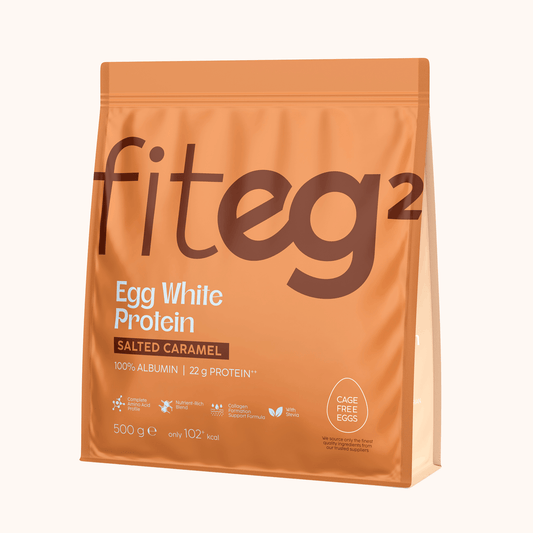
Toitke oma juukseid juurtest alates! Fiteg2 munavalk ja kollageen pakuvad tugevust, mida tunnete igas juuksesalgus. Tutvuge kõigi meie tootevaliku toodetega ja valige oma ilu ja heaolu jaoks tipptasemel tugi.