Baltymai keto dietoje: kaip išlikti ketozėje ir nepamesti raumenų?
Keto dieta grindžiama dideliu riebalų suvartojimu, vidutiniu baltymų kiekiu ir labai mažu angliavandenių suvartojimu. Tačiau žmonės, laikantys keto dietos, dažnai bijo suvartoti pakankamai baltymų, baimindamiesi, kad tai sutrikdys ketozę, o tai gali lemti raumenų masės netekimą. Šiame straipsnyje paaiškinsime, kodėl aukštos kokybės baltymai keto dietoje, priešingai, apsaugo organizmą nuo savo paties raumenų „valgymo“, kodėl svarbu atidžiai įvertinti baltymų miltelių sudėtį net ir tada, kai pakuotė žada gundančius pažadus dėl žemo angliavandenių kiekio, ir kodėl kiaušinio baltymas yra saugiausias baltymų šaltinis šios dietos metu.
Kodėl baltymai gyvybiškai svarbūs keto dietos metu?
Baltymai yra pagrindinė biologinė organizmo statybinė medžiaga. Jie būtini raumenų masei išsaugoti, audinių regeneracijai ir medžiagų apykaitos sulėtėjimo prevencijai. Tuo metu, kai organizmas persijungia į riebalų deginimą kaip pagrindinį energijos šaltinį, jam vis tiek reikalingos amino rūgštys, baltymų statybiniai blokai, hormonų sintezei, imuninės sistemos funkcijai ir ląstelių struktūros palaikymui visą parą.
Be pakankamos mitybinės paramos, organizmas natūraliai ieško būdų taupyti energiją ir gali pradėti vartoti savo paties raumenų skaidulas, kad gautų gyvybiškai svarbius elementus išgyvenimui. Norint apsaugoti raumenų audinį nuo tokio skaidymo, svarbiausia sąlyga yra pakankamas amino rūgščių suvartojimas. Jei kraujotakoje nuolat yra prieinamas reikalingas baltymų kiekis, organizmas gauna aiškų signalą, kad energijos iš raumenų audinio ieškoti nereikia.
Be raumenų apsaugos, tinkama mityba suteikia ir kitų reikšmingų privalumų:
- Stabilesnis sotumas: baltymai yra sotinantis maistas, padedantis kontroliuoti apetitą, todėl lengviau išvengti noro saldiems užkandžiams, kurie dažnai yra pagrindinė kliūtis keto dietos pradžioje.
- Medžiagų apykaitos palaikymas: organizmas apdorodamas baltymus sunaudoja gerokai daugiau energijos nei apdorodamas riebalus, o tai natūraliai padeda išlaikyti budrumą ir optimalų energijos suvartojimą visą dieną.
Norint išsklaidyti dažnas baimes dėl gliukoneogenezės – proceso, kurio metu organizmas paverčia baltymus gliukoze, – svarbu suprasti, kad vidutinis baltymų kiekis nesukelia tokios masto gliukozės gamybos, kuri sutrikdytų ketozę. Kol mityba subalansuota, baltymai veikia kaip apsauginis mechanizmas, o ne kaip kliūtis riebalų deginimui. Būtent todėl strateginis požiūris į mitybos planą ir aukštos kokybės keto dietai tinkami baltymų milteliai leidžia saugiau pasiekti norimų rezultatų, išlaikant tiek fizinę ištvermę, tiek pažintinius gebėjimus.
Kodėl paslėpti angliavandeniai papilduose gali sutrikdyti ketozę?
Dauguma masinėje rinkoje siūlomų sporto mitybos produktų, deja, nėra visiškai suderinami su keto principais. Pagrindinė kliūtis dažnai yra „paslėpti“ angliavandeniai baltymų produktuose, kurie gali būti užmaskuoti sudėtingais techniniais pavadinimais ar užpildais. Net produktai, reklamuojami kaip tinkantys dietai, dažnai turi laktozės, tai yra pieno cukraus, kuris gali tyliai padidinti bendrą kasdienį angliavandenių kiekį, taip sutrikdydamas kepenyse vykstančius riebalų deginimo procesus. Ypatingas dėmesys turėtų būti skiriamas komponentams, tiesiogiai veikiantiems gliukozės ir hormonų lygį kraujyje:
- Pieno cukrus: klasikiniame išrūgų baltyme dažnai yra laktozės likučių, disacharido, kuris jautriems žmonėms gali sukelti nepageidaujamą cukraus kiekio kraujyje padidėjimą.
- Saldikliai su aukštu glikeminiu indeksu: tokios medžiagos kaip maltodekstrinas ar dekstrozė sukelia staigų insulino šuolį, kuris iškart sustabdo ketonų gamybą ir priverčia organizmą grįžti prie gliukozės deginimo.
- Tirštikliai: daugelyje miltelių yra krakmolo ar pigių augalinių riebalų, kurie ne tik padidina kaloringumą, bet ir trukdo maistinių medžiagų pasisavinimui.
Būtent dėl šių „nematomų“ ingredientų daugelis žmonių patiria staigius energijos svyravimus arba negalėjimą pasiekti gilios ketozės būsenos, nepaisant to, kas atrodo kaip griežtas mitybos planas. Net nedidelis netinkamų maistinių medžiagų kiekis gali sutrikdyti metabolinį lankstumą ir sumažinti pažintinį aiškumą bei fizinę ištvermę, kuriuos suteikia stabili riebalų oksidacija.
- Iš esmės riebalų oksidacija yra biologinis procesas, kurio metu organizmas skaido sukauptas ar iš maisto gautas riebalų rūgštis ir tiesiogiai paverčia jas ląstelėms reikalinga energija. Skirtingai nei gliukozė, suteikianti greitą, bet trumpalaikį pagreitį, šis vidinis „degimas“ visą dieną suteikia pastovų kurą tiek raumenims, tiek smegenims. Suvartojus angliavandenių, organizmas iškart sustabdo šį veiksmingą riebalų naudojimą ir grįžta prie mažiau stabilaus cukraus deginimo, kuris dažnai baigiasi nuovargiu ir sumažėjusia koncentracija.
Norint išvengti tokios rizikos ir užtikrinti nepertraukiamą energijos srautą, vis daugiau žmonių renkasi mitybą, pagrįstą biologiškai suprantamais ir minimaliai apdorotais produktais. Toks požiūris reiškia atsisakymą sudėtingų laboratorinių junginių ir perėjimą prie maistinių medžiagų, kurias organizmas gali atpažinti ir panaudoti tiesioginiam ląstelių atsigavimui, o ne eikvoti energiją neutralizuojant svetimos kilmės priedus.
Daugiau apie šiuos principus ir kaip sudaryti mitybos planą neapkraunant virškinimo sistemos galite sužinoti straipsnyje „Paleo mityba sportininkams: kaip įtraukti baltymus į be pieno produktų mitybos planus“.
Kodėl kiaušinio baltymas yra tinkamiausias pasirinkimas keto dietai?
Kiaušinio baltymas yra biologiškai gryniausias ir vertingiausias gamtos sukurtas baltymų šaltinis, nes jame praktiškai nėra nei riebalų, nei angliavandenių, todėl tai yra saugiausias pagrindas bet kokiam griežtam mitybos planui. Skirtingai nei augaliniai analogai, kuriuose dažnai yra daug krakmolo ar skaidulų likučių, kiaušinio baltymo proteinas suteikia visas nepakeičiamas amino rūgštis maksimaliai lengvai pasisavinama forma, neapkraunant virškinimo sistemos.
Pagrindiniai šio baltymų šaltinio privalumai susiję su jo sudėties unikalumu ir grynumu:
- Nulinis angliavandenių kiekis: grynoje formoje jame nėra nei cukraus, nei laktozės, o tai yra svarbiausia palaikant stabilią ketozę visą dieną.
- Lengvai virškinamas: kadangi kiaušinio baltymo proteine nėra pieno komponentų, pašalinama bet kokia pilvo pūtimo ar diskomforto rizika, dažnai pasireiškianti suvartojus išrūgų baltymų miltelius.
- Universalumas kasdieniuose valgiuose: jis puikiai veikia kaip rišamasis ingredientas įvairiuose receptuose, leidžiantis paruošti purią keto duoną ar blynelius nenaudojant grūdų miltų.
Rinkdamiesi maistines medžiagas, nesukeliančias nereikalingų insulino svyravimų, sukuriamos palankios sąlygos riebalų oksidacijai, tai yra energijos gamybai iš riebalų, tęstis nenutrūkstamai visą dieną. Šis medžiagų apykaitos stabilumas yra pagrindinė priežastis, kodėl grynas kiaušinio baltymo proteinas be priedų tampa praktišku pasirinkimu visiems, kurie vertina mitybą be cukraus ir stabilią savijautą be staigių nuovargio priepuolių.
Kokios dažniausios klaidos vartojant baltymus ketozės metu?
Netinkamas baltymų papildų vartojimas ar nerūpestingas ingredientų sąrašo vertinimas gali sulėtinti pažangą ar net visiškai sutrikdyti ketozę. Viena dažniausių klaidų yra pasikliauti low-carb žymomis ant pakuotės, nepatikrinus, ar produkte nėra paslėptų insulino stimuliatorių, tokių kaip maltodekstrinas, dekstrozė ar maltitolis, priverčiančių organizmą sustabdyti riebalų deginimą, arba pigių augalinių riebalų ir krakmolo užpildų.
Būtent kruopštus baltymų produktų sudėties vertinimas yra pagrindinė sėkmingos ir tvarios keto dietos sąlyga, nesvarbu, ar tikslas yra svorio kontrolė, stabili energija, ar padidėjęs pažintinis aiškumas. Dažniausios kliūtys, kurių reikėtų vengti, apima:
- Nepakankamas skysčių suvartojimas: padidėjęs baltymų vartojimas reikalauja didesnio vandens kiekio, siekiant palaikyti inkstų funkciją ir užtikrinti veiksmingą medžiagų apykaitos šalutinių produktų pašalinimą iš organizmo.
- Per didelis dėmesys saldžiam skoniui: net ir naudojant saugius saldiklius, labai saldus skonis gali palaikyti psichologinę priklausomybę nuo cukraus, trukdant ilgalaikiam įpročių pokyčiui ir stabilumui.
Kaip baltymai veikia ilgalaikius rezultatus ir bendrą savijautą?
Aukštos kokybės baltymų vartojimas keto dietos metu yra svarbus ne tik raumenų masės išsaugojimui, svorio kontrolei ar sportiniams rezultatams. Jis taip pat tiesiogiai veikia bendrą hormoninę pusiausvyrą ir organizmo gebėjimą atsigauti po fizinio krūvio ar emocinio streso, suteikdamas ląstelių atstatymui reikalingas amino rūgštis. Baltymai taip pat atlieka lemiamą vaidmenį kolageno gamyboje ir bendroje audinių sveikatoje, kas veikia tiek kasdienę savijautą, tiek ilgalaikį organizmo atsparumą.
Ilgą laiką laikytis bet kokio ribojančio mitybos plano galima tik tada, kai organizmas jaučiasi pamaitintas ir turi pakankamai išteklių gyvybiškai svarbioms funkcijoms palaikyti. Subalansuoto gryno baltymo vartojimo privalumai apima:
- Stabilus energijos lygis: apsisaugant nuo raumenų skaidymo, palaikomas aukštas mitochondrijų aktyvumas, kuris yra pagrindinė sąlyga veiksmingam riebalų naudojimui energijai.
- Pagerėjusi pažintinė funkcija: amino rūgštys reikalingos neuromediatorių gamybai, kuri veikia nuotaiką, koncentraciją ir protinį aiškumą visą dieną.
- Skeleto ir audinių atsparumas: baltymai, derinami su sveikais riebalais, palaiko kaulų tankį ir raiščių elastingumą, kas tampa ypač svarbu didėjant fiziniam krūviui.
Tokiu būdu keto dieta tampa ne trumpalaikiu eksperimentu, o tvariu ir sveiku gyvenimo būdu. Suteikdami savo organizmui geriausią įmanomą mitybą, sukuriate pagrindą ne tik norimam svoriui pasiekti, bet ir puikiai savijautai bei ilgalaikei gyvenimo kokybei.
Apibendrinimas ir rekomendacijos jūsų pasirinkimui
Keto dieta nereiškia raumenų netekimo ar jėgų išsekimo. Priešingai, tai laikas, kai organizmas išmoksta efektyviai naudoti riebalus energijai, kartu išlaikydamas stiprų ir fiziškai atsparų kūną. Rinkdamiesi švarias maistines medžiagas, užtikrinate, kad medžiagų apykaita veiktų nuosekliai ir kad visi procesai būtų nukreipti į atsigavimą, o ne vien trumpalaikius rezultatus.
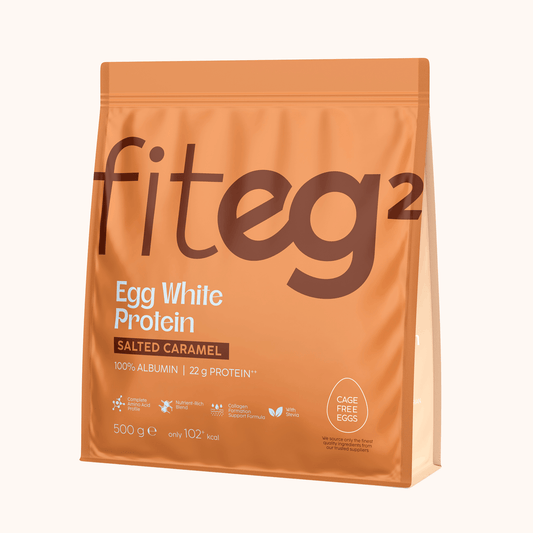
Pagrindinė sėkmingų rezultatų sąlyga yra funkcinių baltymų produktų, kurių sudėtis yra natūrali ir be paslėptų priemaišų, pasirinkimas, kruopščiai įvertinant kiekvieną kasdienėje mityboje esantį ingredientą. Išlikite ketozėje ir išsaugokite raumenų masę be nereikalingų angliavandenių. Rinkitės „Fiteg2“ gryną kiaušinio baltymo proteiną savo kasdienėms treniruotėms ir keto receptams, kad suteiktumėte savo organizmui geriausią įmanomą paramą siekiant fitneso ir sveikatos tikslų.