Low FODMAP diet for athletes: is egg protein safe?
For many active people, everyday life is a constant balancing act between the desire to achieve strong athletic results and the need to live with a sensitive digestive system. Protein intake is essential for muscle recovery and strength gains, yet sports nutrition often becomes the main trigger for digestive discomfort and a heavy feeling.
In these situations, people often look for a more specific nutrition plan, and the FODMAP diet has become a recognized approach in recent years for reducing digestive symptoms. In this article, we’ll look at how Low FODMAP principles can help athletes maintain performance even with a sensitive gut, and why egg protein may be the “lifeline” for those who regularly struggle with bloating.
What is the FODMAP diet and who is it for?
To improve how you feel, it helps to understand the term behind this acronym. FODMAP stands for fermentable oligosaccharides, disaccharides, monosaccharides, and polyols. These are specific carbohydrates (not just allergens) that are poorly absorbed, or not absorbed at all, in the small intestine.
When they reach the large intestine, these carbohydrates become “fuel” for bacteria, leading to rapid fermentation. The Low FODMAP diet was developed to temporarily reduce these foods, helping “calm” the gut and provide meaningful relief.
- For people with IBS: it is a medically recognized first-line therapy for those diagnosed with irritable bowel syndrome. By limiting fermentable foods, gas production and fluid draw in the intestines are reduced, which can decrease symptom intensity (pain, bloating) in up to 75% of cases.
- For any active person: regardless of your activity level, during exercise blood flow shifts away from the digestive tract toward working muscles. A Low FODMAP approach reduces load on the “slowed down” digestive system at this time, helping avoid discomfort, heaviness, and the so-called “runner’s gut.”
- For people with everyday discomfort: especially those who notice that even “healthy” foods like apples, legumes, or dairy cause bloating. This approach helps avoid the “cumulative effect,” where multiple small triggers add up during the day and result in strong discomfort by evening.
To learn more about how exercise affects digestion and which functional supplements can be suitable for IBS, read “Irritable Bowel Syndrome and Sports: Which Supplements Are Safe to Use?”.
What are the hidden risks in typical protein powders?
When buying a protein powder, labels like “sugar-free” or “natural” can be misleading if you don’t pay attention to the details. Unfortunately, hard-to-digest ingredients are often the main reason why “protein powder” and “bloating” become linked problems.
To protect yourself from discomfort, it’s worth evaluating three key risk groups that act as a “red zone” in the FODMAP context.
- Whey protein and lactose: although whey protein concentrate is a market leader, it naturally contains a higher level of lactose. Lactose is a disaccharide (the “D” in FODMAP) and requires the lactase enzyme to be broken down. Since many adults have lower lactase activity, standard whey protein is considered higher risk in FODMAP classification and often triggers fermentation and gas buildup.
- The vegan protein illusion: plant-based products are often assumed to be easier to digest, but that’s not always true. Pea and soy protein concentrates can contain significant amounts of galacto-oligosaccharides (the “O” in FODMAP). The body can’t fully break them down, so they reach the large intestine and become “fuel” for bacteria—promoting bloating and pain.
- Artificial sweeteners: to reduce carbohydrates, manufacturers often use polyols (sugar alcohols) instead of sugar (the “P” in FODMAP—sorbitol, xylitol, mannitol). While they may not spike blood sugar, they can be harsh on the gut by drawing water into the intestines (osmotic effect), potentially causing heaviness, cramps, and loose stools.
Why is egg white protein the “green light” on a Low FODMAP diet?
When traditional whey and many plant-based options need to be avoided, the logical question is: which protein powder should you choose to avoid irritating the gut? Nutrition scientists and gastroenterologists consistently point out that egg protein is classified as a low-risk “green light” product within the FODMAP system, thanks to its unique biochemical characteristics.
- No carbohydrates or lactose: egg white is essentially water and protein (albumin). This means it naturally contains no fermentable carbohydrates, lactose, or galactans that would reach the large intestine and ferment.
- Complete amino acid profile: unlike some other “hypoallergenic” options that can be nutritionally weaker, a quality egg white protein powder provides all essential amino acids. This supports full muscle recovery without unnecessary digestive “waste” load.
- Neutral impact on the gut: because it isn’t fermented, it does not create gas or pressure on the intestinal walls. This is what makes it a safe protein for a sensitive stomach, even during symptom flare-ups.
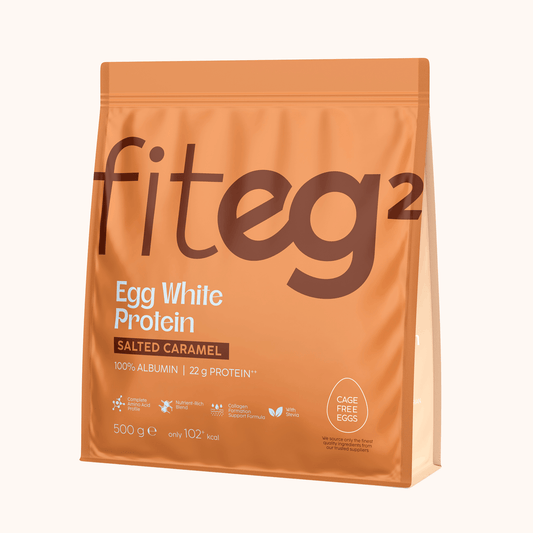
The Fiteg2 approach is especially suited to these needs, following a Clean Label principle. This means the egg white protein powders and protein bars are free from hidden fillers or irritating sweeteners—making them a reliable choice for anyone following Low FODMAP guidelines.
How to use protein correctly during a Low FODMAP diet?
To achieve a true therapeutic effect and fully avoid discomfort, it’s not enough to simply buy the right powder—what you combine it with matters. Even a high-quality egg white isolate can cause a strong reaction if mixed with high-fructose or lactose-containing ingredients. To make your protein shake both tasty and safe for digestion, follow strict combination principles.
- A safe liquid base: since regular cow’s milk contains lactose, it should be excluded. Instead, choose almond milk (check for added inulin), rice milk, or simply water. Soy milk can be problematic unless it’s made from soy protein isolate.
- Fruit and berry selection: for smoothies, use only fruits with lower fructose levels. Safe options include strawberries, blueberries, raspberries, or a small amount of unripe banana (greenish bananas contain resistant starch, while overripe bananas are higher in sugar).
- Sweetener choice: honey and agave syrup are high in free fructose and should be avoided. If you need extra sweetness, choose real maple syrup (sucrose) or stevia.
To illustrate these Low FODMAP principles and provide the athlete-friendly 20–25g protein serving per meal, here are several healthy Low FODMAP recipes. Don’t forget timing: to avoid overloading the stomach, eat at least 60–90 minutes before training.
- “Blueberry classic”: mix 20–25g egg white protein with 200 ml almond milk in a shaker. Add a handful of blueberries and a pinch of cinnamon. This combination is antioxidant-rich and easy to digest.
- “Pre-workout power”: for quicker energy, mix 20–25g protein with 200 ml rice milk (it contains more carbs than almond milk). Add half an unripe banana and 1 teaspoon of maple syrup.
- “Strawberry treat”: blend 20–25g protein with 200 ml water or lactose-free milk. Add 5–6 fresh or frozen strawberries and 1 teaspoon pure cocoa powder (up to 8 g cocoa is considered a safe amount).
- “Green start”: mix 20–25g protein with 200 ml water, adding a handful of spinach and about 50 g fresh pineapple. Pineapple contains bromelain, an enzyme that naturally helps break down proteins.
What are the most common mistakes athletes with sensitive digestion make?
Even when following Low FODMAP guidelines, discomfort can sometimes remain or even worsen. This is often due to small details that are easy to miss in everyday life. For results, sports nutrition should be viewed holistically—considering not only ingredient chemistry, but also timing and combinations.
- Too much fiber before training: fiber is important, but consuming it right before exercise (for example, adding chia seeds, flaxseed, or bran to a shake) significantly slows gastric emptying. Combined with physical effort, this can cause heaviness, cramps, and gas buildup.
- Hydration and protein metabolism: breaking down and using protein requires additional water. If hydration is insufficient, gut motility slows, increasing constipation risk and fermentation. A dehydrated gut environment becomes more sensitive to any trigger.
- Hidden triggers in snacks: people often follow Low FODMAP at main meals but forget it between meals. If you snack on bars with high fructose, symptoms won’t improve. In these situations, it’s safer to choose healthy protein bars with a low fermentable carbohydrate content.
These are typical but easy-to-fix nutrition mistakes. Correcting them can significantly improve how you feel and the quality of your training. To learn more about bloating caused by the wrong protein powder choice, read “Bloating from protein powder: why it happens and how to prevent it?”.
What’s the specialist summary and the best recommendation for your choice?
In summary, a sensitive digestive system is not a reason to give up athletic goals or functional supplements. A strict Low FODMAP diet is usually a short-term strategy, but understanding which foods irritate your gut is valuable long-term.
The key recommendation is to simplify your nutrition—replace potentially irritating whey or legume-based proteins with a clean, quality egg white protein powder. Discover Fiteg2 egg white protein and bars: a safe, effective option suitable for a Low FODMAP lifestyle. Visit our shop and choose a product that supports your body, health, and athletic performance.