Paleo dieta sportininkams: kaip gauti baltymų be pieno produktų ar nereikalingų priedų
Paleo, arba vadinamoji „Akmens amžiaus“ dieta, yra mitybos modelis, pagrįstas maistu, kuris buvo prieinamas mūsų protėviams iki žemės ūkio revoliucijos. Tai reiškia, kad kasdieniame meniu yra mėsa, žuvis, kiaušiniai, da ržovės, vaisiai ir riešutai, o grūdai, ankštiniai augalai ir visi pieno produktai visiškai neįtraukiami.
Sportininkai, pasirinkę šį gyvenimo būdą, dažnai susiduria su klausimu, kaip veiksmingai papildyti mitybą baltymais, jei tradiciniai išrūgų milteliai ar augaliniai analogai neatitinka šių griežtų principų. Būtent todėl šiame straipsnyje panagrinėsime, kodėl Paleo dietai reikalingas specifinis požiūris į sporto mitybą ir kurie alternatyvūs baltymų šaltiniai geriausiai tinka sportiniam pajėgumui palaikyti.
Kodėl išrūgų ir augaliniai baltymai netinka Paleo filosofijai?
Išrūgų baltymas netinka šiai dietai, nes tai yra tiesioginis pieno perdirbimo šalutinis produktas, o šis mitybos modelis jo neįtraukia į meniu. Paleo dieta grindžiama prielaida, kad žmogaus virškinimo sistema evoliuciškai nėra prisitaikiusi apdoroti laktazę ir kazeiną suaugusiame amžiuje, todėl pieno produktai visiškai neįtraukiami.
Taip pat populiarūs augaliniai analogai, tokie kaip sojos ar žirnių milteliai, šioje filosofijoje nėra priimtini, nes tai yra ankštiniai augalai. Ankštiniuose augaluose yra antimaistinių medžiagų, tokių kaip fitino rūgštis, kuri natūraliai apsaugo augalą, tačiau žmogaus organizme gali trukdyti mineralų pasisavinimui, o tai neatitinka pagrindinių „švaraus valgymo“ principų.
Be to, daugelis sportininkų, naudodami įprastus miltelius, patiria virškinimo diskomfortą, ir tai dažnai tiesiogiai susiję su jų ingredientų kilme. Norint geriau suprasti šį ryšį, verta susipažinti su tuo, kodėl išrūgų baltymas dažnai sukelia virškinimo problemų, nes tai padeda atskleisti ryšį tarp baltymų žaliavų ir savijautos treniruočių metu. Be kilmės klausimų, masinės gamybos sporto mitybos papilduose dažnai yra:
- Dirbtiniai dažikliai: laboratorijoje sukurti pigmentai, kurių vienintelis tikslas – padaryti produktą vizualiai patrauklesnį ar imituoti natūralius ingredientus. Šios medžiagos neturi jokios maistinės vertės ir Paleo dietos kontekste laikomos nereikalinga organizmo apkrova, nes dažnai tarnauja tik vizualiai užmaskuoti žemesnės kokybės žaliavas.
- Dirbtiniai saldikliai: jie pridedami, kad suteiktų intensyvų saldumą be kalorijų, tačiau gali sukelti nepageidaujamą insulino atsaką – organizmo hormoninę reakciją, paprastai siejamą su cukraus suvartojimu, kuri nesuderinama su Paleo principais.
Todėl ieškant tinkamiausio išrūgų baltymo pakaitalo, svarbiausias kriterijus yra baltymo kilmė ir jo sudėties biologinis suderinamumas su žmogaus organizmu. Bet koks produktas, pagrįstas ankštiniais augalais, pieno dariniais ar dirbtiniais ingredientais, nebus tinkamas pasirinkimas laikantis Paleo gyvenimo būdo.
Kas sudaro gyvūninės kilmės baltymų pagrindą Paleo dietoje?
Šis mitybos modelis grindžiamas aukštos kokybės gyvūninės kilmės produktais, suteikiančiais organizmui visas nepakeičiamas amino rūgštis. Skirtingai nei augaliniai baltymai, gyvūninės kilmės šaltiniai turi pilną amino rūgščių profilį, o tai reiškia, kad juose yra visos devynios amino rūgštys, kurių žmogaus organizmas negali pasigaminti pats.
Raumenų kūrimą ir hormoninės sistemos funkciją pirmiausia palaiko toks maistas kaip kiaušiniai, mėsa ir žuvis. Tarp jų kiaušiniai išsiskiria kaip mitybinės vertės „aukso standartas“, nes jų unikaliai aukštas biologinis prieinamumas juos paverčia vienu veiksmingiausių baltymų šaltinių sporto mityboje.
Suprantant pagrindinius Paleo dietos principus, tampa aišku, kad:
- Gyvūninės kilmės baltymas yra lengviau pasisavinamas ir veiksmingiau naudojamas raumenų atsigavimui po intensyvaus fizinio krūvio.
- Šviežioje mėsoje, žuvyje ir kiaušiniuose yra specifinių mikroelementų, tokių kaip vitaminas B12 ir geležis, kurių augaliniuose analoguose nerandama tokios pačios koncentracijos ar formos.
- Švaraus, aukštos kokybės maisto pasirinkimas padeda palaikyti stabilų energijos lygį, nes nesuvartojami paslėpti cukrai ar krakmolingi užpildai.
Ar kiaušinio baltymo milteliai yra tinkamiausias sprendimas sportininkams?
Taip, ieškant Paleo dietai tinkamo baltymo, kiaušinio baltymo proteinas visiškai atitinka griežtus Paleo dietos kriterijus. Jis gaunamas dehidratuojant skystą kiaušinio baltymą, dėl to gaunami itin koncentruoti milteliai, kuriuose nėra nei pieno produktų, nei ankštinių augalų, nei grūdų. Kiaušinio baltymo milteliai suteikia visas nepakeičiamas amino rūgštis, todėl tai puikus pasirinkimas kokteiliams po treniruotės ar kasdienių valgių praturtinimui.
Aukštos kokybės baltymų miltelių, pagamintų kiaušinio baltymo pagrindu, naudojimas suteikia keletą reikšmingų privalumų, atitinkančių Clean Eating koncepciją:
- Amino rūgščių profilis: kiaušinio baltymas, arba albuminas, suteikia optimalų amino rūgščių kiekį, ypač išskiriant leuciną, kuris yra pagrindinis raumenų baltymų sintezės aktyvatorius.
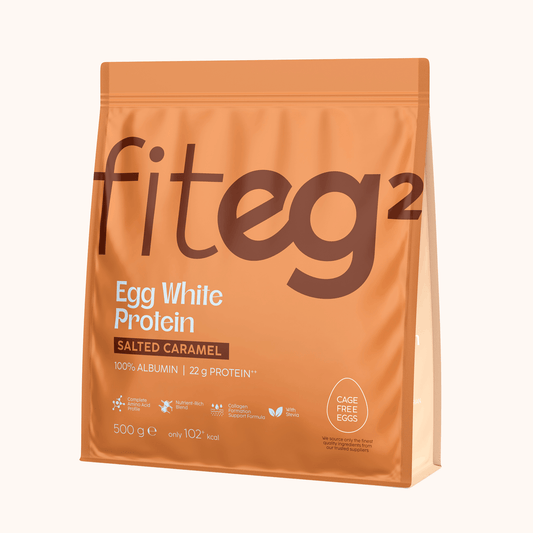
- Maksimalus grynumas ir natūralios kilmės saldikliai: aukščiausios kokybės produktuose nėra nereikalingų užpildų ar dirbtinių dažiklių. Be to, premium klasės sporto mityba, įskaitant „Fiteg2“ baltymų miltelius, dabar naudoja steviją kaip saldiklį – ekstraktą, gaunamą iš augalo lapų, laikomą vienu Paleo dietai draugiškiausių saldiklių. Skirtingai nei sintetinės alternatyvos, stevija yra augalinės kilmės ir praktiškai nesukelia insulino šuolių, todėl galite mėgautis maloniu skoniu nepažeisdami pagrindinių dietos principų ar medžiagų apykaitos stabilumo.
- Baltymas be laktozės ir kazeino: kiaušinio baltymo proteinas nedirgina virškinimo trakto žmonėms, netoleruojantiems pieno produktų ar jautriems kazeinui. Kadangi kiaušinio baltyme biologiškai nėra nei pieno cukrų, nei karvės pieno baltymų, visiškai pašalinama pilvo pūtimo ir diskomforto rizika, dažnai pasireiškianti po išrūgų miltelių, ir garantuojamas 100 % suderinamumas su šiuo mitybos požiūriu.
Rinkdamiesi tokį gryną baltymą, organizmas gauna reikalingas maistines medžiagas tiesiogiai, neeikvodamas papildomos energijos dirbtinių priedų ar sintetinių saldiklių apdorojimui. Tai leidžia medžiagų apykaitai veikti veiksmingiau, nes visos amino rūgštys nukreipiamos tiesiai į raumenų ir audinių atsigavimą, o ne dirgiklių neutralizavimą virškinimo trakte.
Kolageno svarba sportininkams, besilaikantiems Paleo principų
Sportininkams, kurių kūnai patiria didelį fizinį krūvį, į mitybą įtraukti natūralų kolageno šaltinį svarbu ne tik traumų prevencijai, bet ir sausgyslių bei raiščių struktūrai stiprinti. Kadangi kolagenas sudaro apytiksliai 30 % visų organizmo baltymų, jo pakankamas kiekis tiesiogiai veikia sąnarių kremzlės regeneraciją ir kraujagyslių elastingumą, kurie yra lemiami veiksniai spartesniam atsigavimui po intensyvių jėgos ar ištvermės treniruočių.
Laikantis Paleo dietos, kolagenas padeda palaikyti organizmo mechaninį atsparumą, suteikdamas struktūrinius elementus, reikalingus sąnariams, kurie kasdien patiria intensyvų stresą ir mikrotraumų riziką. Taip, derinant aukštos kokybės mėsą ir kiaušinius su premium kolageno formulėmis, organizmas palaikomas kiekviename lygmenyje.
Apibendrinimas ir rekomendacijos jūsų pasirinkimui
Paleo gyvenimo būdo laikymasis nereiškia, kad sportinius rezultatus reikia aukoti dėl nepakankamo maistinių medžiagų suvartojimo. Kiaušinio baltymo proteinas yra natūraliausias ir logiškiausias pasirinkimas sportininkams, norintiems vengti pieno produktų ir ankštinių augalų, kartu išlaikant maksimalų treniruočių proceso veiksmingumą. Tai įrodymas, kad senoviniai mitybos principai gali būti sėkmingai derinami su šiuolaikinėmis gamybos technologijomis.
Būkite ištikimi savo mitybos principams be jokių kompromisų ir rinkitės tik tai, kas suteikia jūsų organizmui tikrą vertę. Jei norite savo raumenims suteikti geriausią įmanomą „kurą“ neatsisakydami Paleo filosofijos, išbandykite „Fiteg2“ kiaušinio baltymo proteiną – jis 100 % suderinamas su Paleo gyvenimo būdu ir jame nėra nieko nereikalingo.