




Why Egg White Protein?
Complete protein. Everyday possibilities.
All nine essential amino acids. Naturally lactose-free. Easy to make part of your day.
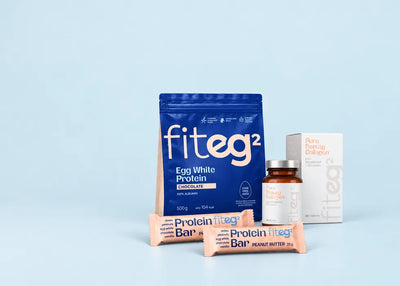
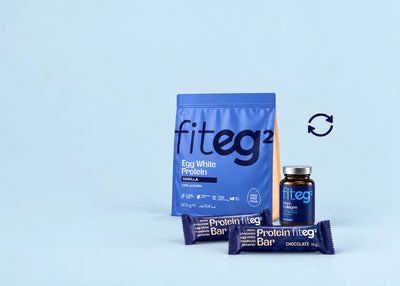
Add egg white protein to your morning smoothie, a post-workout shake or the recipes you already love. Fiteg² gives you flavoured and unsweetened options to fit the way you eat.
ALL 9 ESSENTIAL AMINO ACIDS · LACTOSE-FREE · 21–23 g PROTEIN*
Per 30 g serving, depending on flavour.
Shop Egg White Protein
Try the Starter MIX
What is egg white protein?
Egg white protein is the protein found in the white of an egg. In powder form, it provides a convenient source of complete protein, containing all nine essential amino acids. Egg white protein is naturally lactose-free and can be used in shakes, smoothies and recipes.
You may also see it listed as egg albumin. It is different from whole egg powder, which includes the yolk, and from egg membrane collagen, which comes from another part of the egg.
The benefits of egg white protein
All nine essential amino acids
Your body breaks dietary protein down into amino acids and uses them to make its own proteins. Nine amino acids are essential because your body cannot make them and must get them from food.
Egg white protein provides all nine in one protein source. This is what makes it a complete protein.
Protein for muscle growth and maintenance
Protein contributes to the growth and maintenance of muscle mass.
Egg white protein offers a practical way to add protein to your diet, whether you are strength training, staying active or looking for more protein at breakfast.
A naturally lactose-free protein source
Egg white protein comes from eggs rather than milk and is naturally free from lactose.
If you avoid lactose, it offers an alternative to milk-based protein powders. Individual digestive tolerance still varies, so choose a formula that suits you and check the full ingredient list.
More ways to add protein to your day
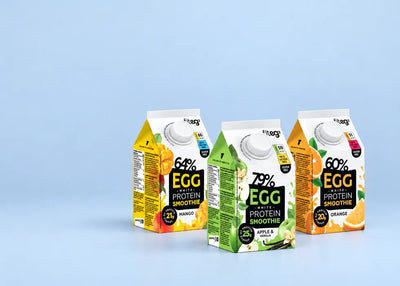
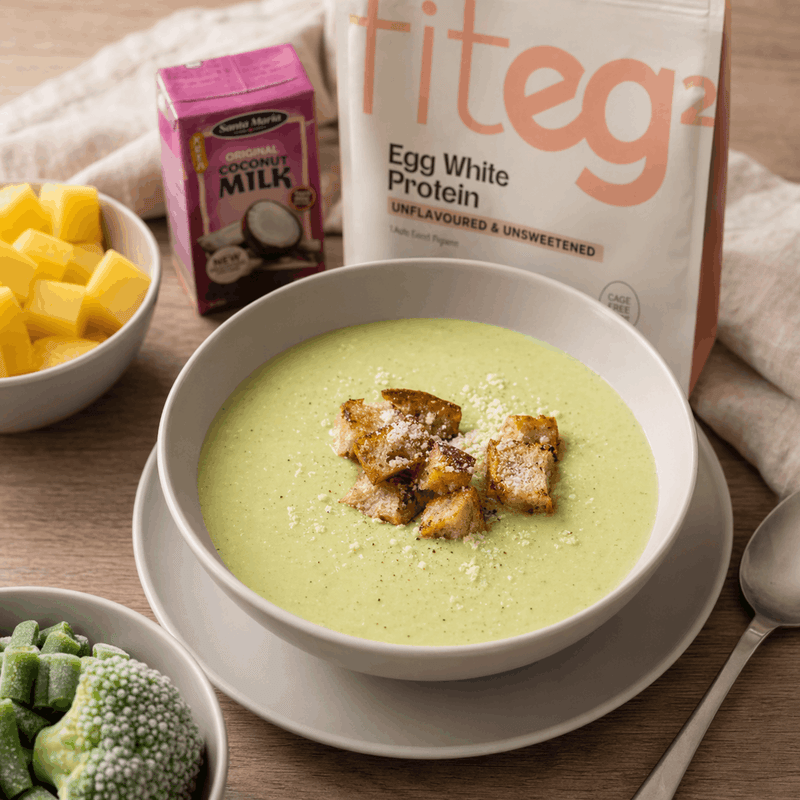
A shake is just one option. Egg white protein powder can also become part of your breakfast, a smoothie or a recipe.
Choose a flavoured powder when you want to add flavour, or use Unflavoured & Unsweetened when you want to choose your own ingredients and sweetness.
Egg white protein vs whey protein
Both are complete protein sources. The main difference is where they come from and how the finished product fits your needs.
| What to compare | Egg white protein | Whey protein |
|---|---|---|
| Protein source | Egg whites | Milk |
| Essential amino acids | All nine | All nine |
| Lactose | Naturally absent from egg whites | Amount varies by product; check the label |
| Suitable for a vegan diet | No | No |
If you want a lactose-free alternative to whey, egg white protein is an option worth exploring. Your choice can also come down to flavour, ingredients and how you plan to use it.
No single protein powder is the best fit for everyone. Choose one that fits your diet and that you enjoy using.
Why choose Fiteg² egg white protein?
Egg expertise behind every formula
Fiteg² is part of Agrova, a European food group with expertise in egg production and processing.
Our protein powders bring that focus on eggs into everyday nutrition, using albumin sourced from cage-free eggs.
Flavours that fit your routine
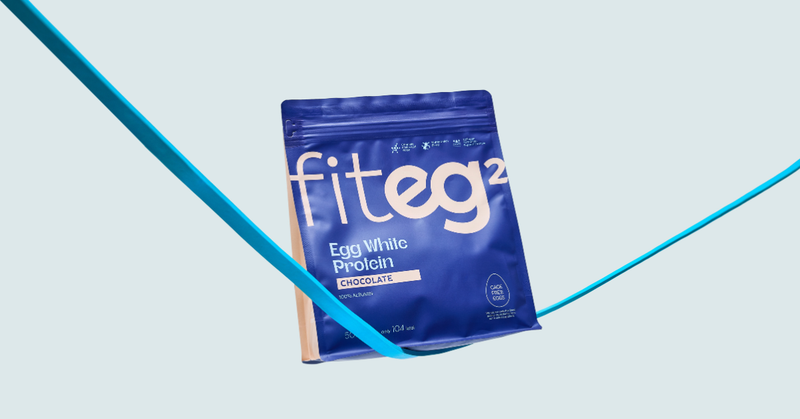
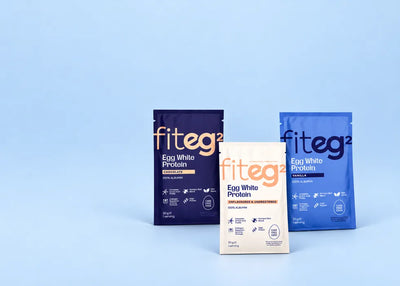
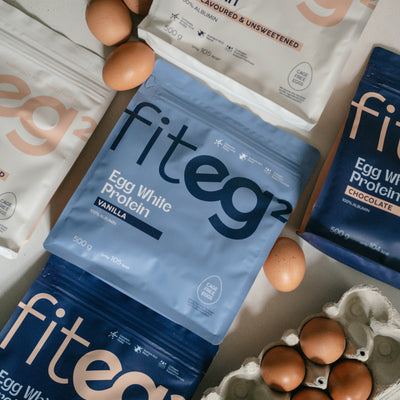
Choose Vanilla, Chocolate or Salted Caramel for your shake, or keep things flexible with Unflavoured & Unsweetened.
Our unflavoured option has no added flavourings or sweeteners, making it a useful starting point for sweet and savoury recipes.
| Your Fiteg² option | Protein per 30 g serving | Try it in |
|---|---|---|
| Unflavoured & Unsweetened | 23 g | Smoothies, pancakes and savoury recipes |
| Vanilla | 23 g | Berry smoothies and breakfast bowls |
| Chocolate | 21 g | Chocolate shakes and banana smoothies |
| Salted Caramel | 22 g | Caramel-flavoured shakes and smoothies |
Ingredients and nutrition vary by flavour. Values shown are from the product nutrition tables.
How to use egg white protein powder
Shake it
Mix one 30 g serving with 200 ml of water, following the directions on your pack. For a lactose-free shake, choose water or a suitable lactose-free drink.
Blend it
Add it to a smoothie with fruit and the drink of your choice. Try Vanilla with berries or Chocolate with banana, then adjust the liquid to your preferred texture.
Mix it into breakfast
Use it in porridge or a breakfast bowl. Unflavoured & Unsweetened gives you the flexibility to choose your own flavours and sweetness.
Cook with it
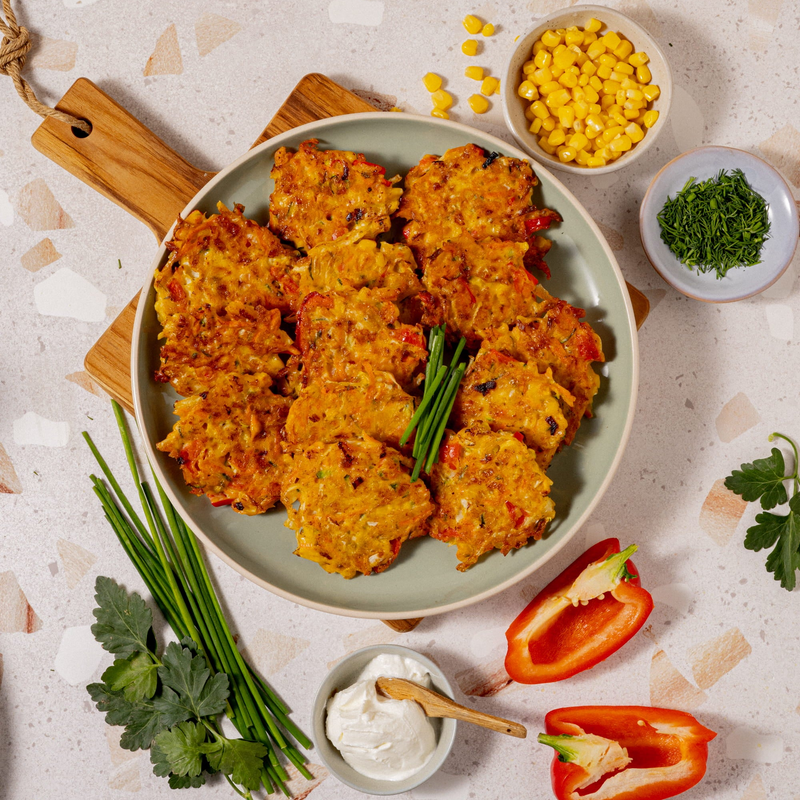
Explore pancakes, muffins and savoury recipes that use egg white protein. Follow a tested recipe, as protein powder can change the texture and liquid requirements of a dish.
The science behind egg white protein
Studied in exercise nutrition
Egg white protein has been studied in the context of exercise and muscle protein synthesis, the process through which your body builds muscle proteins.
In a 2026 trial involving 65 young adults, muscle protein synthesis increased after resistance exercise and eating egg whites or several other protein foods. The study found no statistically significant difference between the groups in this muscle response.
Preparation matters
Human research shows that cooking affects how well egg protein is digested. A study comparing cooked and raw egg protein found that the cooked protein was more efficiently digested.
This also explains why findings about raw eggs cannot automatically be applied to a finished protein powder.
These studies examined egg proteins and foods, not the finished Fiteg² formulas. They provide context for understanding the ingredient; the nutrition information on each product shows what your serving contains.
Egg white protein FAQs
Is egg white protein a complete protein?
Yes. It contains all nine essential amino acids, which your body needs to obtain from food. A complete amino acid profile is one reason egg white is a useful dietary protein source.
Is egg white protein good for building muscle?
Egg white protein supplies protein, which contributes to muscle growth and maintenance. It can help you add protein to your diet alongside an appropriate training routine. It does not replace training or a varied diet.
Is egg white protein dairy-free?
Egg white itself is not a dairy ingredient and naturally contains no lactose. Fiteg² protein powders are labelled lactose-free.
If you have a food allergy, check the full product label and allergen information. Lactose intolerance and milk allergy are different conditions.
Is egg white protein easier to digest than whey?
There is no universal answer. Removing lactose may matter if lactose is what you do not tolerate, but digestive comfort also depends on the complete formula and the individual.
Lactose-free does not guarantee that a product will never cause bloating.
Can I use egg white protein on days I do not exercise?
Yes. It can be used to add protein to meals and snacks on any day, including rest days. Whether you need a powder depends on the protein you already get from food and your own nutritional needs.
Can I cook or bake with egg white protein powder?
Yes. Fiteg² egg white protein can be used in recipes such as pancakes and baked goods. Follow a recipe designed for protein powder rather than replacing all the flour with it.
What does unflavoured egg white protein taste like?
Unflavoured means there are no added flavourings; it does not mean the ingredient has no taste.
Fiteg² Unflavoured & Unsweetened also contains no added sweeteners, so you can choose what to pair it with.
Is egg white protein vegan or allergen-free?
No. It comes from eggs, so it is not vegan and is not suitable for people with an egg allergy.
Fiteg² protein powder formulas also list soya lecithin. Always check the packaging for the full allergen information.
Find your everyday Fiteg²
A shake after training. A smoothie before work. A new way to make your favourite breakfast.
Find the egg white protein that fits your routine, or start with the Starter MIX to explore the range.
Shop Egg White Protein
Try the Starter MIX
Enjoy as part of a varied, balanced diet and a healthy lifestyle. Contains egg and soya. Check your chosen product for its full ingredients, nutrition and directions for use.